
AHA expands efforts to spread the word about CKM syndrome
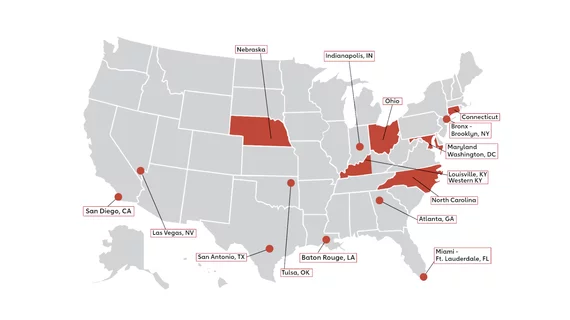
The American Heart Association (AHA) is expanding its Cardiovascular-Kidney-Metabolic Health Initiative to 15 regions in the United States to boost awareness, screen more patients and increase treatments for cardiovascular-kidney-metabolic (CKM) syndrome. This is a rapidly growing area of interest in cardiology as research continues to show how closely interconnected heart disease and kidney disease are, and how CKM is a major risk factor for increasing heart disease and stroke.
“While there is public health urgency around CKM syndrome, we also have a great opportunity to improve CKM health,” said Chiadi Ndumele, MD, PhD, MHS, FAHA, an AHA volunteer and chair of the initiative’s advisory group said in a statement. “We have more knowledge about the interconnections among health factors and new therapies that positively impact CKM health. Through this initiative, we aim to establish a model of care that ensures evidence-based therapies are consistently provided to those with CKM conditions.”
The AHA defines CKM syndrome as the combined health effects of heart disease, kidney disease, diabetes and obesity, which puts people at high risk for heart attack, stroke and heart failure. Risk factors include high blood pressure, abnormal cholesterol, high blood glucose (sugar), impaired kidney function and high body mass index or waist circumference.
The initiative began with five regions in February 2025 and is now expanding to target more states, cities and metro areas with high rates of CKM.
The first regions in the program were Atlanta metro; Baton Rouge metro; San Diego metro; Ohio; and the combined region of Washington, D.C. and Maryland. The following regions have now been added:
• Bronx and Brooklyn, New York
• Connecticut
• Indianapolis, Indiana
• Las Vegas, Nevada
• Louisville and western Kentucky
• Miami and Ft. Lauderdale, Florida
• Nebraska
• North Carolina
• San Antonio, Texas
• Tulsa, Oklahoma
AHA said these areas were selected based on disease prevalence, local health system characteristics and distinctive community features like population size and demographic mix.
This initiative will enroll 150 healthcare sites across the 15 regions, potentially impacting the care of more than 250,000 patients. The effort is supported by founding sponsors Novo Nordisk and Boehringer Ingelheim, supporting sponsor Novartis Pharmaceuticals Corp. and champion sponsor DaVita.
The CKM Health Initiative includes guidance for collaboration among specialists and other healthcare professionals to help streamline care and make connections with community resources for people with health-related social needs. The AHA said this includes providing transportation to appointments, or help paying for prescriptions, which are two of the biggest reasons many CKM patients are not treated.
“There’s a need to move beyond individual specialists to collaborative care models that support more holistic patient care,” explained Ndumele, who is also an associate professor of medicine and director of obesity and cardiometabolic research in the division of cardiology at Johns Hopkins University in Baltimore. “It’s important for healthcare providers and organizations to think about these conditions collectively, because that’s how patients experience them.”
AHA says CKM risks need to be assessed in all patients
AHA said about 1 in 3 U.S. adults have at least three risk factors for CKM syndrome, with strong connections to cardiovascular disease, kidney disease and metabolic disease such as Type 2 diabetes and obesity. The AHA created four-year Cardiovascular-Kidney-Metabolic Health Initiative in July 2024 to implement a person-centered approach to awareness, professional and patient education, and treatment of CKM syndrome.
AHA said risk factors that contribute to CKM syndrome are interconnected, and when one part of the body is not working well, it worsens the other systems and organs to raise the risk of heart disease or stroke. Rising rates of risk factors and generally low levels of CKM health led the AHA to declare CKM syndrome a public health emergency with an AHA presidential advisory.[1] The AMA says only about 10% of U.S. adults have excellent CKM health, which means the other 90% have elevated risk factors they may not even be aware of.
The presidential advisory calls for screening patients for CKM risk factors starting at age 30.

Dave Fornell has covered healthcare for more than 17 years, with a focus in cardiology and radiology. Fornell is a 5-time winner of a Jesse H. Neal Award, the most prestigious editorial honors in the field of specialized journalism. The wins included best technical content, best use of social media and best COVID-19 coverage. Fornell was also a three-time Neal finalist for best range of work by a single author. He produces more than 100 editorial videos each year, most of them interviews with key opinion leaders in medicine. He also writes technical articles, covers key trends, conducts video hospital site visits, and is very involved with social media. E-mail: [email protected]