
Americans keep poisoning themselves with semaglutide, other weight loss drugs
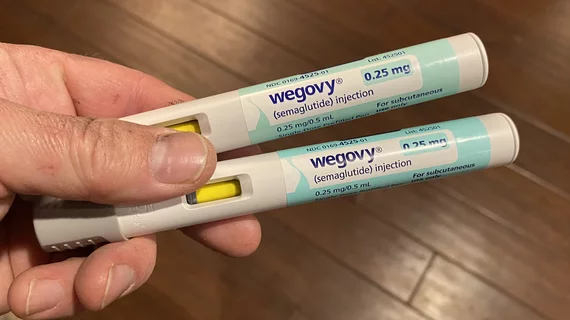
Calls to U.S. poison control centers about semaglutide and other GLP-1 drugs significantly increased after the U.S. Food and Drug Administration (FDA) started approving them for chronic weight management in 2021, according to new data published in the Journal of Medical Toxicology.[1]
GLP-1 medications such as semaglutide, sold by Novo Nordisk under the brand name Wegovy, were originally developed to treat diabetes. Over the years, however, they have been linked to substantial weight loss for a wide variety of patient populations in addition to certain cardiovascular benefits.
“The widespread interest in GLP-1 receptor agonists for weight loss, particularly amid drug shortages, has renewed clinical and regulatory attention to their safety profile, yet the clinical profile of acute exposures remains poorly understood,” wrote first author Jordan Miller, a researcher with The University of Texas at San Antonio, and colleagues. “Reports of adverse effects following acute or acute-on-chronic exposures remain incompletely characterized, and existing literature has not clarified whether new toxicity patterns emerge when these drugs are used primarily for obesity rather than diabetes.”
For this analysis, researchers tracked years of data from the National Poison Data System, identifying more than 3,000 incidents prior to that 2021 approval and nearly 7,000 incidents after it. The group found that semaglutide was the most common GLP-1 drug associated with these exposures. In addition, it identified a significant increase in the proportion of patients who required treatment at a healthcare facility following the FDA’s decision.
“This pattern indicates that even clinically non-severe exposures can generate considerable healthcare utilization,” the authors wrote. “The findings also demonstrate the value of poison center data as a tool for near real-time assessment of emerging post-marketing drug trends. Improved counseling for both patients and prescribers regarding dose titration, product switching, and management of expected gastrointestinal effects may help reduce preventable errors and lessen the resulting burden on emergency services.”
Click here to read the full analysis.

Michael has more than 19 years of experience as a professional writer and editor. He has written at length about cardiology, radiology, artificial intelligence and other key healthcare topics.