
Experts say a heart-healthy diet is about consistency more than chasing trends
The American College of Cardiology (ACC) has published a new scientific statement focused on how eating well can help with the prevention and management of cardiovascular disease (CVD). The document, published in full in JACC, is the work of a committee of experts from the fields of cardiology and nutrition that first met in April.[1]
“Suboptimal diet is a key risk factor for CVD, and diet and lifestyle modification is widely considered essential for both primary and secondary prevention,” Frank B. Hu, MD, PhD, chair of the department of nutrition at Harvard T.H. Chan School of Public Health and chair of this document, said in a statement. “However, the concept of a 'heart-healthy' diet has evolved over time from nutrient-centric approaches to more holistic, food- and pattern-based strategies that better reflect advances in the understanding of the complex relationship between diet and cardiometabolic health.”
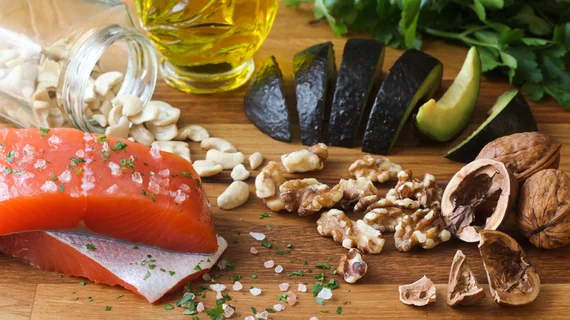
The ACC scientific statement highlights the importance of following a heart-healthy diet, pointing to the Mediterranean diet and dietary approaches to stop hypertension (DASH) diet as two specific examples. Plant-based foods and healthy fats and proteins are recommended over foods high in refined starches, added sugars and unhealthy fats. The document also gets more specifics, emphasizing the benefits of vegetables, fruits, whole grains, nuts and legumes, while warning against the risks associated with eating too many ultra-processed foods.
“Ultimately, heart-healthy eating is not about focusing on a single nutrient or food, or following the latest dietary trend,” Hu added in the same statement. "What matters most is the overall quality of the diet—a consistent pattern of healthy food choices that supports cardiometabolic health and is sustainable over time.”
Key takeaways from the ACC’s new scientific statement
The document highlights smart beverage choices as a straightforward way people can protect their cardiovascular health. Drinking plenty of water and limiting sugar-sweetened beverages such as soft drinks can go a long way toward minimizing the risk of developing CVD. Alcohol consumption, the group added, is something that should be done in moderation—or not at all.
Another key takeaway from the new document is the fact that not everyone has consistent access to heart-healthy foods.
“Decades of research demonstrate that dietary patterns in the United States vary systematically by social drivers of health, including income, education, neighborhood environment and access to healthcare,” the group wrote. “Although some differences are modest, the overall consistency of these associations underscores the central role of social context in shaping nutritional intake and, ultimately, cardiovascular risk.”
Click here for the full scientific statement.

Michael has more than 19 years of experience as a professional writer and editor. He has written at length about cardiology, radiology, artificial intelligence and other key healthcare topics.