
Insulin pump error linked to 700 adverse events
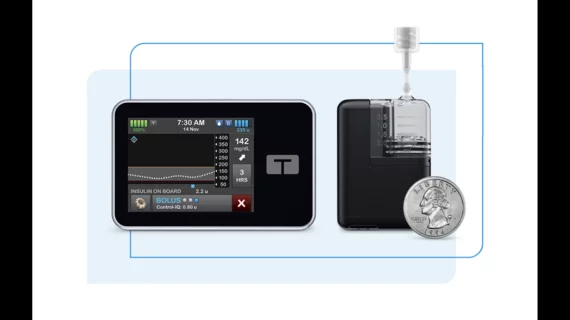
Tandem Diabetes Care has issued a medical device correction for certain t:slim X2 insulin pumps due to an ongoing safety issue that can unexpectedly stop insulin delivery.
The issue revolves around a speaker-related malfunction that causes the insulin pump to stop communicating with the patient’s continuous glucose monitoring (CGM) device. This creates a risk of the patient’s blood sugar levels rising despite wearing the device.
“If not addressed, this could result in hyperglycemia due to discontinuation of insulin delivery, realTan-time CGM estimated glucose values and CGM trends,” according to the medical device correction. “In severe cases of hyperglycemia, the user may require hospitalization or intervention from a medical professional.”
This issue has been associated with a total of 700 adverse events and 59 injuries.
According to a new advisory shared by the U.S. Food and Drug Administration (FDA), Tandem Diabetes Care is working on a software update specifically built to detect signs of speaker failure, creating “persistent vibration alerts” that help attract the user’s attention.
Previous issues with the t:slim X2 insulin pumps
In 2024, Tandem Diabetes Care recalled an update to the t:slim X2 insulin pumps due to repeated software issues that were causing the pump to shut down unexpectedly. The issue, ruled a Class I recall by the FDA, was a software glitch that caused the t:connect iOS app to crash and then restart again. It was associated with 224 patient injuries.
“This cycle intermittently repeats, which leads to excessive Bluetooth communication that may result in pump battery drain and may lead to the pump shutting down sooner than typically expected,” the company said at the time. “Pump shutdown will cause insulin delivery to suspend, which could lead to an under-delivery of insulin and may result in hyperglycemia or even diabetic ketoacidosis, which can be a life-threatening condition due to high blood sugars and lack of insulin.”

Michael has more than 19 years of experience as a professional writer and editor. He has written at length about cardiology, radiology, artificial intelligence and other key healthcare topics.