
Aficamten shows potential to be first FDA-approved treatment for nonobstructive HCM
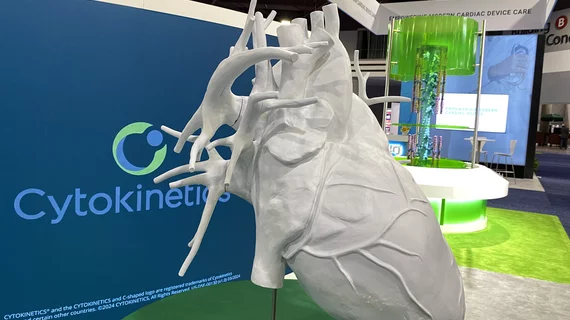
Aficamten (Myqorzo) may be an effective treatment for nonobstructive hypertrophic cardiomyopathy (HCM), according to new data presented at ESC Congress 2026 and published simultaneously in The New England Journal of Medicine.[1]
This represents a potential breakthrough for heart patients everywhere. There are currently no approved treatments for nonobstructive HCM, and this is the first trial to document clinically meaningful improvements in this relatively common form of inherited heart disease. Aficamten was also cleared by the U.S. Food and Drug Administration (FDA) in December to treat obstructive HCM, so it is already available as a treatment option for U.S. patients.
The ACACIA-HCM trial compared aficamten, a cardiac myosin inhibitor, with placebo in patients with symptomatic nonobstructive HCM. The trial met its dual primary endpoints focused on significantly improved symptom burden and exercise capacity.
“Patients with nonobstructive HCM experience limiting symptoms that affect their daily lives. But despite this being a relatively common disorder, there are no effective therapies,” Ahmad Masri, MD, MS, associate professor of medicine with Oregon Health and Science University and the study's principle investigator, said in a statement. “Results from the ACACIA-HCM trial provide really positive news for patients with symptomatic nonobstructive HCM. For the first time, we have shown clinically meaningful improvements in symptoms and exercise capacity with a treatment that targets the cause of the disease.”
The double-blind, phase III trial was conducted at 182 international sites. It included 517 adults with symptomatic nonobstructive HCM who were randomized 1:1 to aficamten or a placebo for up to 72 weeks. The dose of aficamten was adjusted based on left ventricular ejection fraction (LVEF). The primary endpoints were changes in Kansas City Cardiomyopathy Questionnaire Clinical Summary Score (KCCQ-CSS) and change in maximal exercise performance (pVO2) from baseline to week 36. The average age of participants was 55 years, and 54% were women. The average baseline LVEF was 68%.
Masri's team found that aficamten significantly improved the primary endpoint related to symptom burden. At 36 weeks, KCCQ-CSS improved by 11.4 in the aficamten group, and 8.4 in the placebo group. Improvements were seen as early as 12 weeks, and there was a pronounced return of symptoms after drug was stopped.
The drug also significantly improved the primary endpoint for maximal exercise performance at 36 weeks. pVO2 improved by 0.64 mL/kg/min in the aficamten group and was almost unchanged (−0.03 mL/kg/min) in the placebo group (p=0.003).
The group also reported significant improvements in patients on the drug in secondary endpoints, including improvement in New York Heart Association functional class, submaximal exercise performance and NT-proBNP, a marker of heart strain.
There was an increased incidence of patients having a LVEF of less than 50% with aficamten vs. placebo (10% vs. 1%), but this was managed with dose adjustment.
The trial was funded by Cytokinetics, the biopharmaceutical company that manufactures aficamten. The company will use these data to seek an additional FDA indication.
Aficamten is the second cardiac myosin inhibitor to enter the U.S. market after mavacamten. However, mavacamten was shown in studies to not be effective in treating nonobstructive HCM patients.

Dave Fornell has covered healthcare for more than 17 years, with a focus in cardiology and radiology. Fornell is a 5-time winner of a Jesse H. Neal Award, the most prestigious editorial honors in the field of specialized journalism. The wins included best technical content, best use of social media and best COVID-19 coverage. Fornell was also a three-time Neal finalist for best range of work by a single author. He produces more than 100 editorial videos each year, most of them interviews with key opinion leaders in medicine. He also writes technical articles, covers key trends, conducts video hospital site visits, and is very involved with social media. E-mail: [email protected]