
Statin use may protect patients from subarachnoid hemorrhages
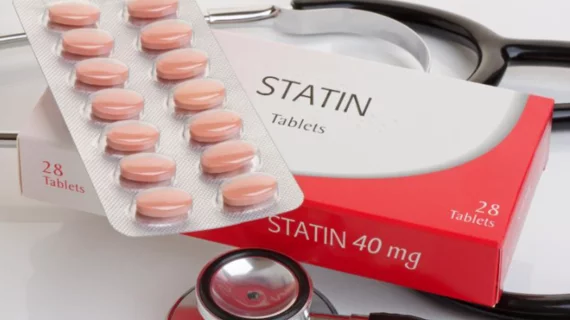
Statin use may help patients, particularly those with hypertension or cerebrovascular disease, reduce this risk of experiencing a subarachnoid hemorrhage (SAH), according to new research published in Stroke.[1]
“The primary causes of SAH include ruptured cerebral aneurysms, arteriovenous malformations and cerebral arterial dissections,” wrote first author Makoto Hagiwara, RPh, a researcher with Tokyo University of Science, and colleagues. “Surgical prophylaxis, including coiling and clipping, is an option for patients diagnosed with unruptured intracranial aneurysms (UIAs). Some aneurysms rupture shortly after formation, often before they can be detected and treated. Hence, there is a pressing need to develop medical prevention strategies, particularly for patients at high risk of SAH, regardless of whether they have been diagnosed with UIA.”
Because statins can help protect the blood vessels, Hagiwara et al. aimed to learn if they could potentially help decrease a patient’s SAH risk over time. The group explored data from the Japanese Health Insurance Claims Database, focusing on nearly 3,500 patients hospitalized for an SAH from 2005 to 2021. Nearly 14,000 patients were then identified to serve as control group. For both the study group and the control group, the mean age was 52.4. years old and 54.3% were women. The median follow-up period was 42 months.
Overall, after adjusting for patient characteristics, statin use was associated with a significantly reduced risk of SAH compared to no statin use. This association was driven heavily by patients who had a history of hypertension or cerebrovascular disease.
“These results are consistent with those of previous basic studies on statins and SAH,” the authors wrote. “Statins are known for their cholesterol-lowering properties; they also exert anti-inflammatory effects on the vessel wall, referred to as pleiotropic effects.”
Hagiwara and colleagues concluded by calling for larger studies on this topic. The group also highlighted the many benefits—and limited risks—of prescribing statins to high-risk individuals.
“The observed risk reduction effect needs to be considered alongside the established safety profile of statins,” they wrote. “While surgical intervention carries a procedural risk of significant morbidity, the most common side effects of statin therapy (muscle pain and mild liver enzyme elevation) are generally reversible. This favorable risk-benefit profile suggests that statins could serve as a valuable preventive option, particularly in patients who are not suitable candidates for surgical intervention due to anatomic or clinical factors.”
Click here for the full study.

Michael has more than 19 years of experience as a professional writer and editor. He has written at length about cardiology, radiology, artificial intelligence and other key healthcare topics.