
FDA details defibrillation lead issue linked to 386 injuries, 16 deaths

The U.S. Food and Drug Administration (FDA) is sharing additional details about a safety issue with certain Boston Scientific defibrillation leads.
According to the agency, some of the company’s single- and double-coil Reliance defibrillation leads coated with expanded polytetrafluoroethylene (ePTFE) have been associated with a potential risk of rising low-voltage shock impedance (LVSI). This issue, linked to calcification, may make the devices less effective as time goes on.
“The most common harm is early lead replacement, and the most serious harm is death or need for cardiac resuscitation due to non-conversion of a sustained ventricular arrhythmia from a reduced shock energy due to high impedance,” according a new FDA advisory. “As of July 24, Boston Scientific has reported 386 serious injuries and 16 patient deaths associated with this issue.”
The FDA is still reviewing the situation. At this time, the agency has not determined if this is a Class I recall. The goal of this early alert is to provide details as quickly as possible.
Additional context about this issue
In late July, Boston Scientific warned healthcare providers about these risks. The company noted that this LVSI risk impacts dozens of different models of its Endotak Reliance, Reliance 4-SiteFront and Reliance 4-Front defibrillation leads. These devices were manufactured from 2002 to 2021, and approximately 354,000 are still in service.
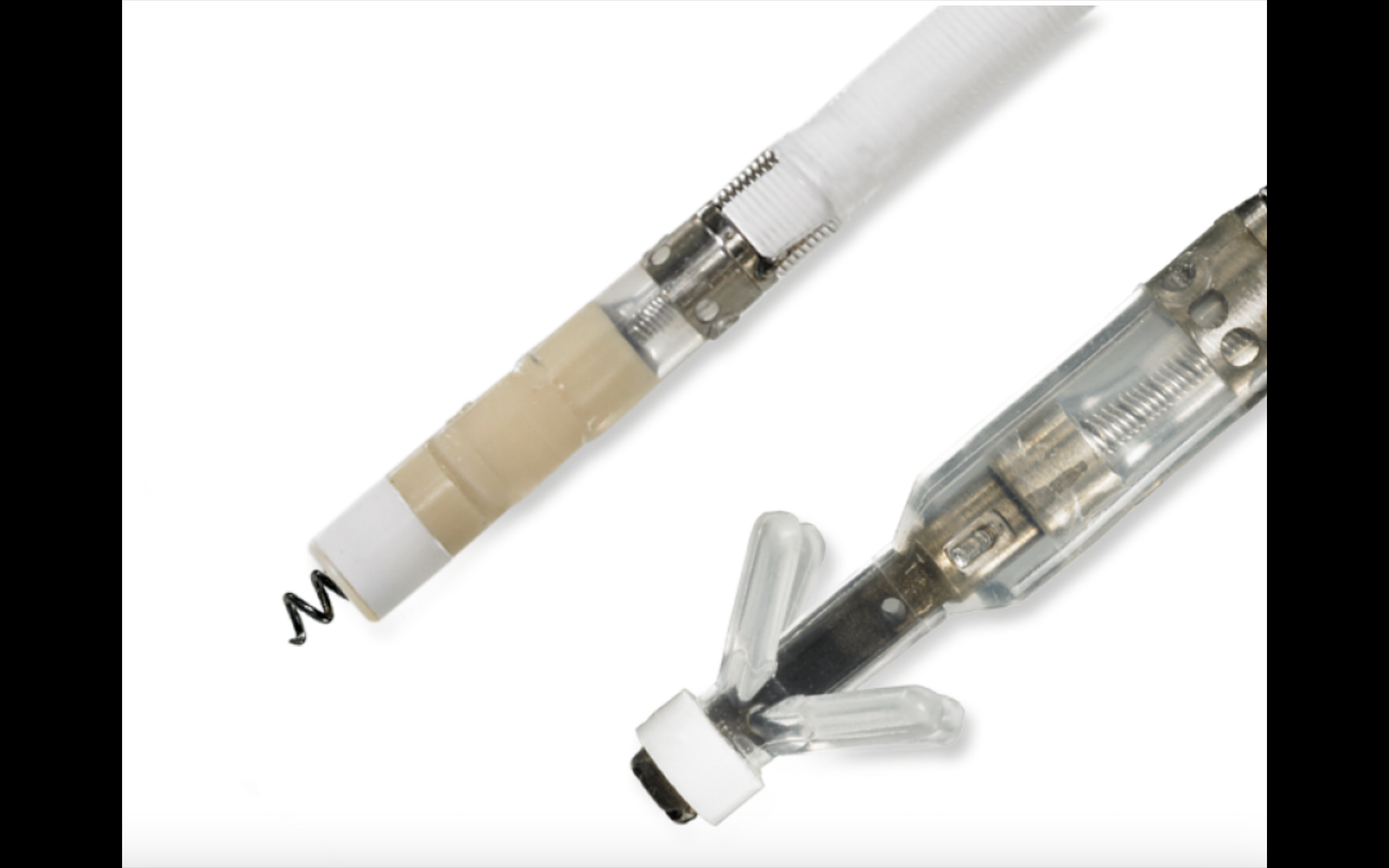
Boston Scientific's Reliance 4-Front defibrillation leads.
Boston Scientific is not changing the recommended follow-up schedule for patients with these leads. When those follow-up appointments do occur, however, the company said it is important to look for early signs of this pattern.
It is recommended that clinicians determine the most recent approximate 28-day average LVSI that has not been impacted by the delivery of a shock. They should then consult the materials provided by Boston Scientific.
When lead replacement is planned, the company added, the patient’s care team should consider the risks and benefits of such a procedure.

Michael has more than 19 years of experience as a professional writer and editor. He has written at length about cardiology, radiology, artificial intelligence and other key healthcare topics.