
Boston Scientific warns that certain defibrillation leads may put patients at risk
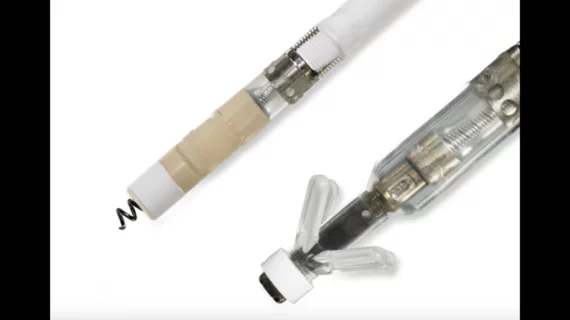
Boston Scientific is warning healthcare providers about the potential of rising low-voltage shock impedance (LVSI) with some of its single- and double-coil Reliance defibrillation leads coated with expanded polytetrafluoroethylene (ePTFE). This issue, linked to calcification, can make the devices less effective over time, and the company has received multiple reports of failed shock therapies. Early lead replacement will be required for some patients, and adverse outcomes such as death or cardiac resuscitation due to a sustained ventricular arrhythmia are possible in more extreme situations.
Boston Scientific noted that this LVSI risk impacts dozens of different models of the company’s Endotak Reliance, Reliance 4-SiteFront and Reliance 4-Front defibrillation leads. These devices were manufactured from 2002 to 2021, and the company estimates that approximately 354,000 are still in service.
Boston Scientific is not changing the recommended follow-up schedule for patients with these leads. When follow-up appointments do occur, the company said it is important to look for early signs of this pattern. During any follow-up appointments, clinicians should determine the most recent approximate 28-day average LVSI that has not been impacted by the delivery of a shock and consult the materials provided by Boston Scientific.
When lead replacement is planned, the company added, the patient’s care team should consider the risks and benefits of such a procedure.
“Based on implant time and likely coil calcification, these leads may pose an increased risk of extraction-related complications,” according to Boston Scientific.
Heart Rhythm Society provides key details
The Heart Rhythm Society (HRS) shared a thorough analysis of the issue in a message to its members, detailing what clinicians should look for when they encounter patients with these leads. The group emphasized that not all impedance changes with these leads will be a sign of this specific problem.
“It is important to distinguish gradually rising LVSI due to lead calcification, from other LVSI patterns,” according to the HRS advisory. “During the post-implant period, gradual rises in LVSI are common. In addition, other lead performance issues (lead fractures, insulation issues, etc.) usually produce abrupt changes in lead impedance.”
Boston Scientific did emphasize that this issue does not appear to be impacting the sensing or pacing performance of these devices. Click here to read the full advisory.

Michael has more than 19 years of experience as a professional writer and editor. He has written at length about cardiology, radiology, artificial intelligence and other key healthcare topics.