
Update: FDA confirms recalls for defibrillation leads after nearly 400 injuries

A safety issue with certain Boston Scientific defibrillation leads has resulted in a series of new Class I recalls, according to the U.S. Food and Drug Administration (FDA). Unlike some recalls, these do not require a product to be immediately removed from the market. However, there are specific recommendations all clinicians should follow.
The FDA first shared details with the public about these concerns in early August, noting that some of Boston Scientific’s single- and double-coil Reliance defibrillation leads coated with expanded polytetrafluoroethylene (ePTFE) were associated with a potential risk of rising low-voltage shock impedance (LVSI). If this occurs, it can make the leads less effective over time.
“The most common harm is early lead replacement, and the most serious harm is death or need for cardiac resuscitation due to non-conversion of a sustained ventricular arrhythmia from a reduced shock energy due to high impedance,” the agency said at the time.
As of July 24, this risk of rising LVSI was linked to 386 serious injuries and 16 patient deaths.
What’s new in the FDA’s latest update?
The FDA was still investigating the issue at the time of its previous alert, but it was unclear if this would be categorized as a Class I recall. Now, however, the agency has confirmed the Class I recalls. This means that using these devices without following Boston Scientific’s instructions “may cause serious injury or death if you continue to use it without correction.”
This has resulted in a total of three Class I recalls. Additional details from the FDA are available here, here and here.
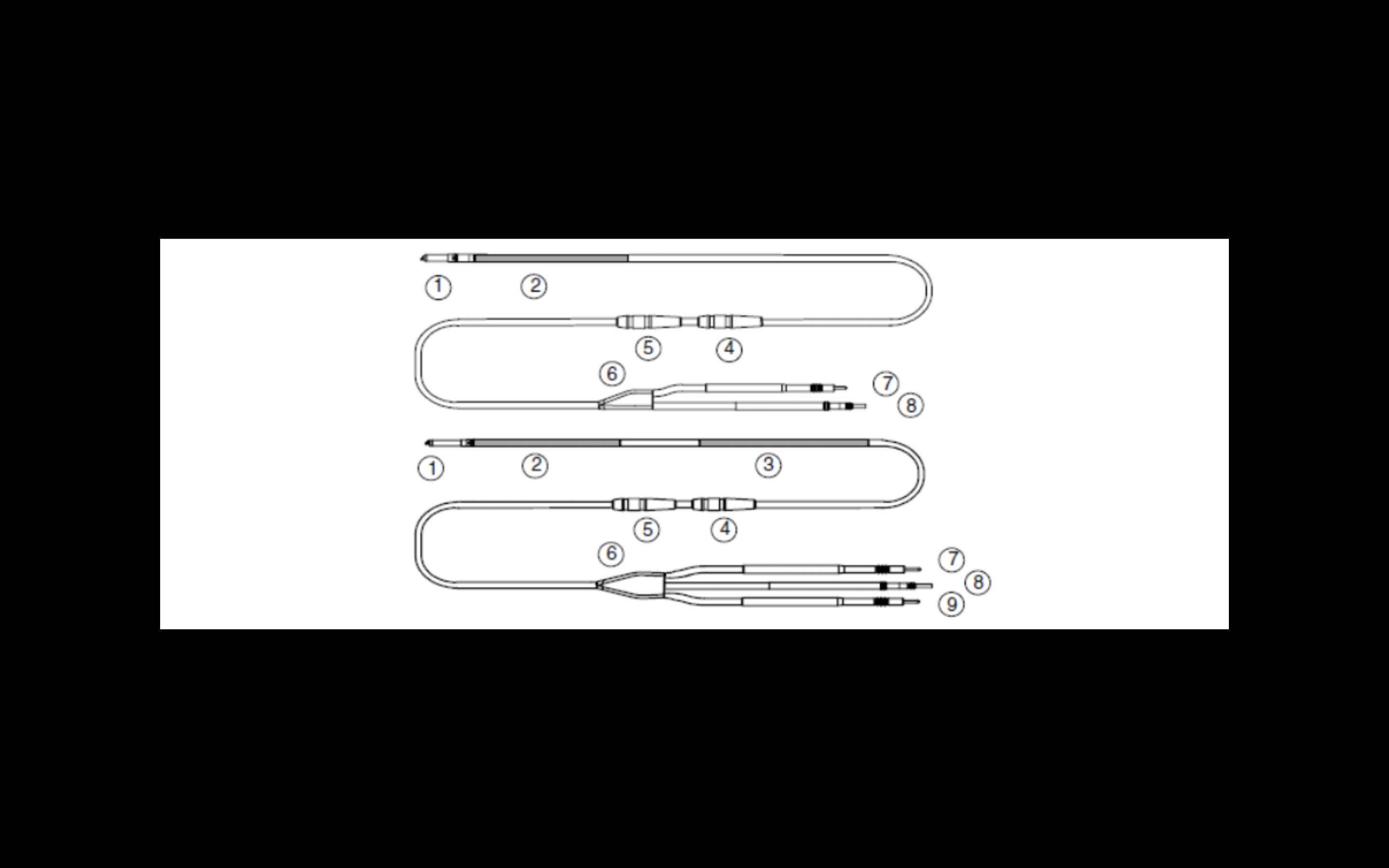
Image courtesy of the FDA/Boston Scientific.
What should customer do?
This issue impacts Boston Scientific’s Endotak Reliance, Reliance 4-SiteFront and Reliance 4-Front defibrillation leads. These medical devices were designed for pacing, rate-sensing and the delivery of cardioversion and defibrillation shocks. They were manufactured from 2002 to 2021.
These recalls are not product removals, but healthcare providers should follow the provided recommendations to ensure they minimize any potential risks.
“Boston Scientific recommends that healthcare providers monitor the impedance of defibrillation leads with ePTFE coating because of a risk of tissue ingrowth and calcification,” according to the update. “Replacement of leads with impedance over 150 ohms is recommended to avoid defibrillation shock failures.”
Another key takeaway from Boston Scientific’s guidance is that clinicians should “carefully consider the risk/benefit of lead extraction versus abandonment.”
“Based on implant time and likely coil calcification, these leads may pose an increased risk of extraction-related complications,” according to the update.
Click here to read the full advisory.

Michael has more than 19 years of experience as a professional writer and editor. He has written at length about cardiology, radiology, artificial intelligence and other key healthcare topics.