
Pericarditis: New guidance takes on the diagnosis and management of a challenging heart condition
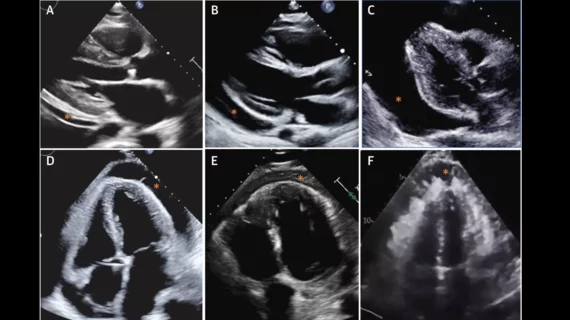
Pericarditis, inflammation of the pericardium, accounts for approximately 5% of all emergency department evaluations for chest pain. According to a new concise clinical guidance (CCG) from the American College of Cardiology (ACC), echocardiography, cardiac CT (CCT) and cardiac MR (CMR) can all provide significant value during the evaluation, diagnosis and management of suspected pericarditis. The full document was published in the Journal of the American College of Cardiology.[1]
“Clinical management of pericarditis may be challenging, and consensus guidelines focusing on diagnosis, risk stratification and treatment are vital for standardizing care, reducing variability in clinical practice and improving patient outcomes,” wrote first author Tom Kai Ming Wang, MBChB, MD, a cardiologist and cardiac imaging specialist with Cleveland Clinic, and colleagues. “This CCG addresses diagnostic and therapeutic advances in acute and recurrent pericarditis and their complications, employing a multimodality imaging-guided therapeutic approach. This document is targeted at assisting cardiologists, emergency and internal medicine physicians, primary care physicians, rheumatologists and other physicians and cardiovascular care team members who manage these complex patients in the real world.”
What causes pericarditis?
Wang and colleagues noted that pericarditis is most commonly seen in male patients between the ages of 16 and 65 years old. Recurrent pericarditis, on the other hand, is actually more likely to occur in a female patient. Pericarditis can be brought on by infection, autoimmune response, adverse cardiovascular events or something else entirely.
“Pericarditis is classified based on etiology, clinical course, morphology, and associated impact of fluid characteristics, size, and hemodynamics,” the authors explained. “Idiopathic and viral etiologies are the most common cause of pericarditis in high-income countries, whereas tuberculosis, often HIV-associated, is the most common cause in low-income countries.”
Pericarditis has also been in the news in recent months after the U.S. Food and Drug Administration required new warnings to be added to multiple COVID-19 vaccines that highlighted an increased risk of myocarditis/pericarditis in young men who received a vaccine.
Multimodality imaging
The pericardium serves several roles, making it especially important for clinicians to diagnose any suspected issues as quickly as possible. While transthoracic echocardiography (TTE) provides heart teams with an effective first-line imaging modality in cases of suspected pericarditis, CMR provides value as a second-line imaging option. CCT, meanwhile, is recommended when assessing pericardial calcifications associated with constrictive pericarditis.
“While CCT is not primarily used for diagnosing pericarditis, it can be valuable for preoperative planning in cardiac surgeries, such as pericardiectomy,” the authors wrote. “Additionally, CCT is more useful in assessing other differential diagnoses of chest pain, such as acute aortic syndromes, pulmonary embolism, and coronary artery disease, although disadvantages include radiation exposure and, when iodinated contrast is used, risks of kidney disease and contrast allergy.”
The CCG breaks down each modality in detail, walking clinicians through the evaluation process and helping them get the most out of every image the heart team captures.
Centers of excellence
Another key takeaway from this new document is that pericardial diseases centers are “particularly effective” when it comes delivering the best care possible to patients with recurrent or refractory pericarditis.
“PDCs also play a vital role in screening patients for clinical trials and monitoring responses and adverse events of emerging treatments,” the author wrote.
Click here for to read the full CCG.

Michael has more than 19 years of experience as a professional writer and editor. He has written at length about cardiology, radiology, artificial intelligence and other key healthcare topics.