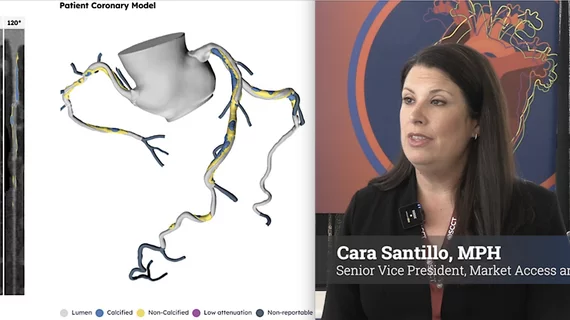
New codes for these technologies have made a world of difference for clinicians. Reimbursement for the use of AI is an area where cardiology is far ahead of most other healthcare specialties.
The law reflects growing interest in using existing imaging studies to identify cardiovascular disease risk without requiring additional scans, radiation exposure or costs.
"We really should have a system that is patient-centric, physician-led, and professionally managed, but in a cost-effective way," Rick Snyder, MD, said.
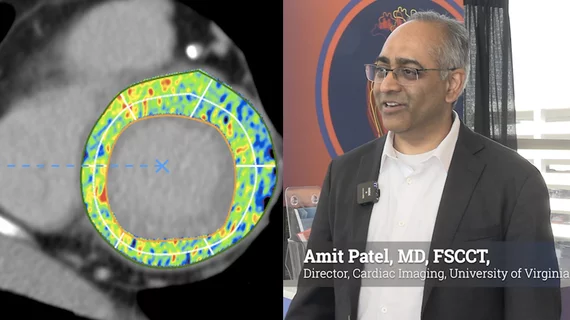
MRI scans have traditionally been used for extracellular volume assessments. That is starting to change, however, as cardiac CT moves beyond its typical focus on the coronary arteries.
Most FDA-cleared AI algorithms are related to radiology and cardiology, meaning radiologists and cardiologists need to make an effort to learn how these technologies work.
While the ACC/AHA 2021 Chest Pain Assessment Guidelines included cardiac CT angiography as a top level recommendation, gaps in evidence still need to be filled.
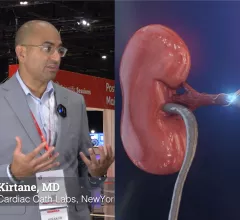
Ajay Kirtane, MD, director of the cardiac catheterization laboratories at NewYork-Presbyterian/Columbia University Irving Medical Center, explained the most recent clinical trial data on this topic.
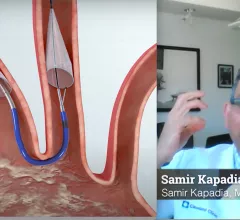
Samir Kapadia, MD, chair of the department of cardiovascular medicine at Cleveland Clinic, shared his perspective on the use of cerebral protection devices during TAVR procedures.
Signify Research shares the latest big trends in cardiovascular IT systems, including the role of EMR cardiology modules vs. third-party CVIS, structured reporting, integration into enterprise imaging and inclusion of ambulatory surgical centers.