The Thunderbolt device from California-based Penumbra uses modulated aspiration to detect and remove blood clots. Back in January, Boston Scientific agreed to acquire Penumbra for approximately $14.5 billion.
Researchers tracked real-world data from more than 140 patients who originally received a transcatheter heart valve from Edwards Lifesciences, Medtronic or Boston Scientific.
The new atrial shunt from Alleviant Medical was designed to treat heart failure without leaving a permanent implant behind. The FDA granted the technology its breakthrough device designation and approved additional research.
Stryker, a global medtech company based out of Michigan, has kicked off 2025 with a bit of excitement. The company says Inari’s peripheral vascular portfolio is highly complementary to its own neurovascular portfolio.
Radial access is already the primary choice for many cardiologists performing PCI due to a lower risk of complications. The same appears to be true for secondary access during TAVR.
The FDA-approved Harmony TPVR system is now available to patients across the EU. Nina Goodheart, president of Medtronic’s structural heart and aortic business, described the news as a "significant milestone."
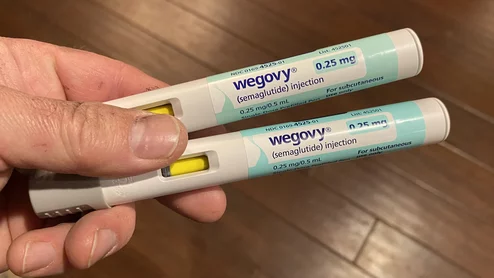
The popular GLP-1 receptor agonist appears to help limit adverse events and new-onset diabetes in patients with a history of CABG. Researchers shared the full study in the Journal of the American College of Cardiology.
Follow-up care after a successful heart transplant can be challenging—both for providers and their patients. Consider, for example, the fact that so many patients who develop complications never actually present with symptoms.


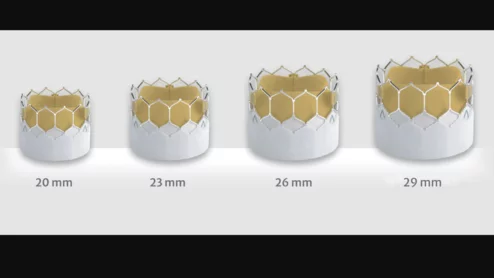

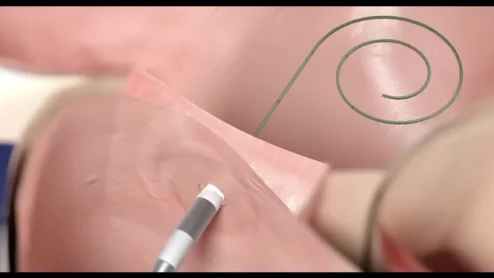



![Transcatheter pulmonary valve replacement (TPVR) with Medtronic’s self-expanding Harmony valve is both safe and effective after more than a year, according to new real-world data published in the Journal of the American College of Cardiology.[1]](/sites/default/files/styles/stack_views/public/2024-04/screen_shot_2024-04-04_at_3.49.33_pm_0.png.webp?itok=ELkY-ReX)