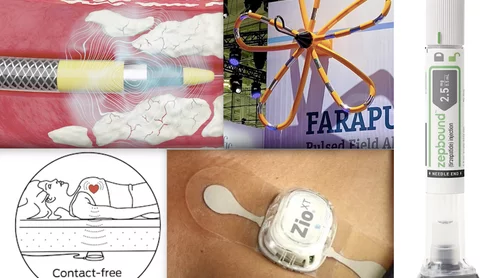
The Thunderbolt device from California-based Penumbra uses modulated aspiration to detect and remove blood clots. Back in January, Boston Scientific agreed to acquire Penumbra for approximately $14.5 billion.
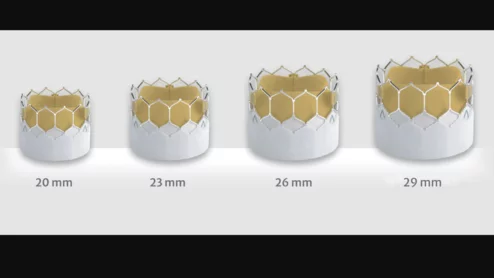
Researchers tracked real-world data from more than 140 patients who originally received a transcatheter heart valve from Edwards Lifesciences, Medtronic or Boston Scientific.
The American College of Cardiology published an expert consensus on practical approaches for arrhythmia monitoring after stroke to improve post-stroke care by identifying and managing atrial fibrillation.
Follow-up care after a successful heart transplant can be challenging—both for providers and their patients. Consider, for example, the fact that so many patients who develop complications never actually present with symptoms.




![Following a plant-based diet can significantly lower a person’s risk of developing cardiovascular disease (CVD) or dying from cardiovascular causes, according to new research published in BMJ Nutrition, Prevention and Health.[1] The study’s authors emphasized that a person can still occasionally eat meat, fish or dairy products and still see substantial benefits—the key is to keep such things to a minimum and embrace fruits, vegetables, nuts, legumes, teas and coffees.](/sites/default/files/styles/stack_views/public/2019-06/fruit-2305192_960_720.jpg.webp?itok=ri_vRZQn)