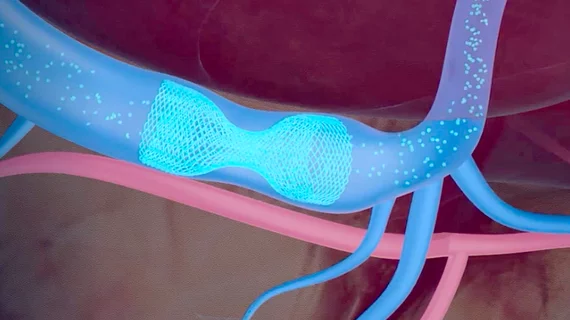
The self-expanding A-Flux device is implanted in the coronary sinus to increase pressure on the venous side of the heart and improve perfusion in smaller vessels.
The American Stroke Association's first major update in 7 years highlights the importance of coordinated care and expands patient access to critical treatments. It also includes the first detailed recommendations for treating stroke in pediatric patients.
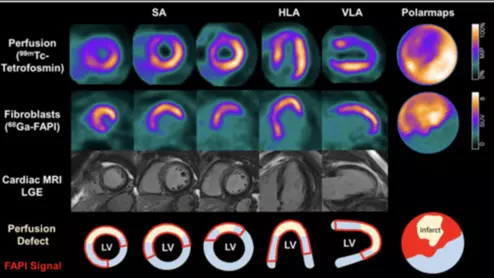
More and more imaging researchers are starting to examine the potential of using fibroblast activation protein inhibitors (FAPI) to manage patients with suspected cardiovascular disease.
Chris Waddell, a medtech executive focused on various structural heart technologies, is leaving Abbott after several years to "recharge" and pursue a new opportunity.
Tim Szczykutowicz, PhD, associate professor radiology, University of Wisconsin Madison, explains the new technology developments in GE HealthCare's FDA 510(k)-pending photon-counting CT scanner.
Follow-up care after a successful heart transplant can be challenging—both for providers and their patients. Consider, for example, the fact that so many patients who develop complications never actually present with symptoms.