The tirzepatide shortage that first began in 2022 has been resolved. Drug companies distributing compounded versions of the popular drug now have two to three more months to distribute their remaining supply.
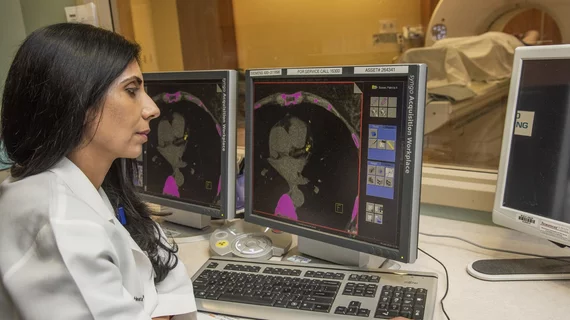
CCTA is being utilized more and more for the diagnosis and management of suspected coronary artery disease. An international group of specialists shared their perspective on this ongoing trend.
For artificial intelligence to truly transform care, the healthcare industry must address certain challenges. Jens Eldrup-Jorgensen, MD, a veteran vascular surgeon and member of the Society for Vascular Surgery, explains in a guest editorial.
Boston Scientific is recalling the catheters associated with its POLARx Cryoablation System due to a heightened risk of esophageal injury. The FDA has ruled that this a Class I recall.
Merck sent Hansoh Pharma, a Chinese biopharmaceutical company, an upfront payment of $112 million to license a new investigational GLP-1 receptor agonist. There could be many more payments to come if certain milestones are met.
BAV patients are often excluded from TAVR trials, creating uncertainty about the best way to treat that population when aortic valve replacement is required. To learn more, researchers tracked CMS data from 2018 to 2022, presenting their findings in The Annals of Thoracic Surgery.
Left: Petr Neužil, MD, PhD, head of the department of cardiology at Na Homolce Hospital in Prague, Czech Republic / Right: Vivek Y. Reddy, MD, director of cardiac arrhythmia services at Mount Sinai Hospital in New York City
The first-in-human procedures were performed in Prague with the investigational Aveir CSP leadless pacemaker system.
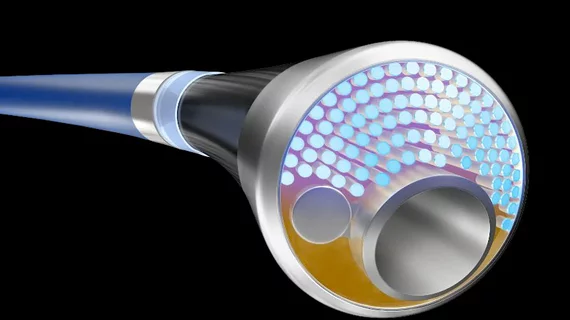
Philips Healthcare's combined IVL and laser atherectomy catheter that is being used in the THOR trial to treat heavily calcified peripheral artery lesions.
After the significant success of Shockwave Medical's IVL therapy to break up heavily calcified vessels without trauma, there are now several companies working on their own IVL devices.