Back in 2019, the FDA issued a warning about the use of paclitaxel-coated devices when treating peripheral artery disease. The agency took back that warning in 2023, but it appears to have made a significant impact on patient care.
FDA Commissioner Robert Califf, MD, explains the need for hospitals to perform quality assurance checks on clinical artificial intelligence to ensure these technologies don't "drift" from what was originally cleared by the FDA.
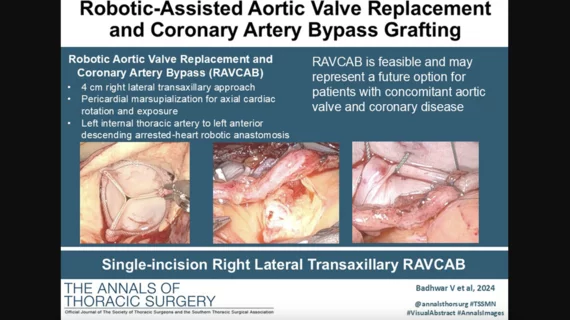
Graphic and images courtesy of Badhwar et al. and the Society of Thoracic Surgeons.
The care team behind the very first robotic aortic valve replacement and coronary artery bypass surgery has written about the experience in The Annals of Thoracic Surgery. The group discussed the development of the technique, how the patient was chosen for treatment and other key details.
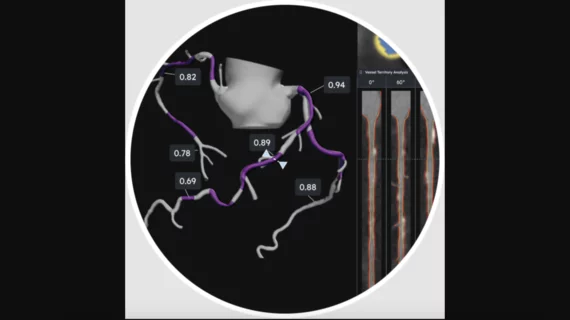
Two renowned cardiologists are teaming up to explore the short- and long-term impact of using advanced AI platforms to evaluate coronary CCTA results for signs of coronary artery disease.
A brand new analysis explored diversity, equity and inclusion within the specialty of cardiovascular surgery. It also included several recommendations for leaders looking to help create change and improve patient care.
The Sapien 3 Ultra Resilia TAVR valve is available in multiple sizes. Images courtesy of Edwards Lifesciences.
Newer balloon-expandable TAVR valves are associated with much better outcomes for patients presenting with both severe AS and severe MS than older models.
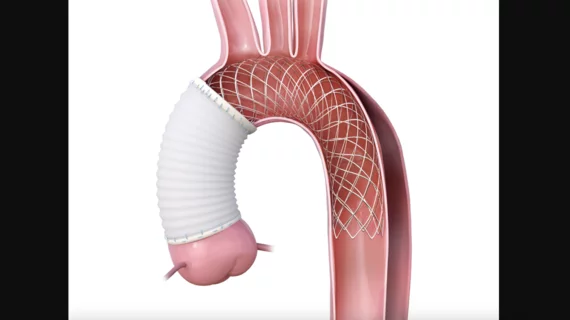
This update helps ensure Artivion's AMDS Hybrid Prosthesis can be used to treat high-risk patients as the FDA makes its final approval decision. The news came as Artivion works to bounce back from a cybersecurity attack that occurred in November.
Percutaneous treatment was linked to improved survival and fewer adverse events than surgery when patients presented with both symptomatic severe aortic stenosis and complex coronary artery disease.