• Clinical
      |Clinical
    • Acute Coronary Syndromes
    • Cardiac Surgery
    • Covid-19
    • Heart Failure
    • Heart Health
    • Heart Rhythm
    • Hypertension
    • Interventional Cardiology
    • Mitral Valve
    • Pharmaceutics
    • Structural Heart Disease
    • TAVR
    • Tricuspid Valve
    • Vascular & Endovascular
  • Management
      |Management
    • Chest Pain Guidelines
    • Compensation
    • Economics
    • Education & Training
    • Legal News
    • Patient Care
    • Policy & Regulations
    • Professional Associations
    • Quality
    • Revenue
    • Staffing
  • Technology
      |Technology
    • AI
    • Cardiac Imaging
    • Cath Lab
    • CT
    • CVIS
    • ECG
    • Echo
    • EP Lab
    • Informatics
    • MRI
    • Nuclear Cardiology
    • Remote Monitoring
  • Videos
  • Conferences
      |Conferences
    • ACC
    • AHA
    • ASE
    • ASNC
    • ESC
    • EuroPCR
    • HFSA
    • HRS
    • HRS
    • SCAI
    • SCCT
    • SIIM
    • SNMMI
    • STS
    • TCT
    • VIVA
  • Custom Content
      |Custom Content
    • Experience Stories
    • Webinars & Videos
  • Subscribe
  • Forty Under 40 Award
      |Forty Under 40 Award
    • Class of 2026
    • Class of 2025

Search form

Home

FDA announces new Class I recall of CPET devices due to choking hazard

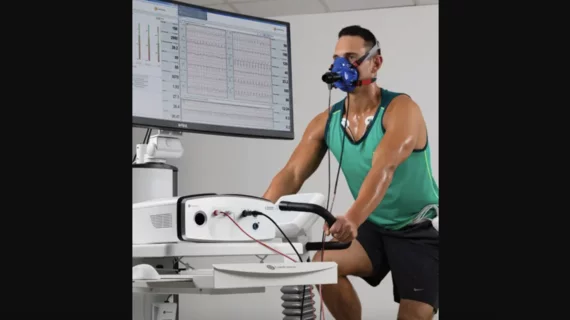
The U.S. Food and Drug Administration (FDA) announced that Vyaire Medical has recalled the twin tube samples lines from its Vyntus CPX Metabolic Cart due to ongoing safety concerns. This is a Class I recall, which means the FDA believes using these devices “may cause serious injuries or death.”

Image courtesy of Vyaire Medical. 

If left unchecked, the devices could put patients at risk of serious injuries or death as they undergo cardiopulmonary evaluations. 

  • Read more about FDA announces new Class I recall of CPET devices due to choking hazard

Cardiologist on hunger strike wants more beds for department—has not eaten in 12 days

doctor_patients.jpg

The cardiologist has been fasting in his office since May 11. He insists that he and his colleagues need more room to provide care for a growing patient population. 

  • Read more about Cardiologist on hunger strike wants more beds for department—has not eaten in 12 days

New York Valves, CRF’s newest cardiology conference, makes heart team collaborations a priority

Newsweek ranked the 50 best heart hospitals in the world

New York Valves: The Structural Heart Summit replaces the Transcatheter Valve Therapy conference CRF hosted for many years. The three-day event will include 12 late-breaking clinical trials focused on TAVR and new treatments for the mitral and tricuspid valves. 

  • Read more about New York Valves, CRF’s newest cardiology conference, makes heart team collaborations a priority

Pfizer recalls 2 drugs, including 1 for hypertension, over safety concerns

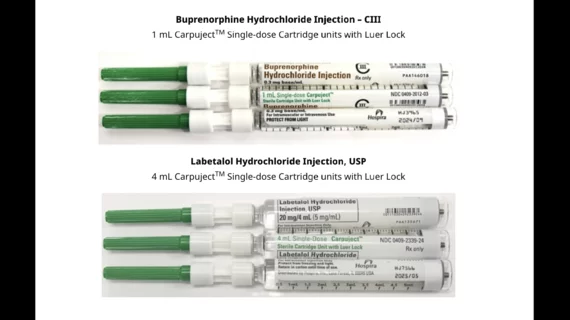
Hospira, an Illinois-based pharmaceutical and medical device company owned by Pfizer, has issued a voluntary recall of two different drugs due to ongoing safety issues. The recall includes specific lots of labetalol hydrochloride injections and buprenorphine hydrochloride injections. Labetalol hydrochloride injections are used to control blood pressure in patients with severe hypertension.

Image courtesy of Pfizer. 

The recall was put in place due to a leak risk that could make the therapies less effective and potentially lead to an infection. 

  • Read more about Pfizer recalls 2 drugs, including 1 for hypertension, over safety concerns

AVR for moderate AS: New 10-year data highlight clear benefits of TAVR, surgery

doctor examines patient data on their tablet

New research out of Cleveland Clinic explored long-term outcomes among patients with moderate aortic stenosis who were treated with TAVR, SAVR or clinical surveillance. TAVR and SAVR were both associated with clear improvements compared to surveillance alone. 

  • Read more about AVR for moderate AS: New 10-year data highlight clear benefits of TAVR, surgery

Medtronic automated insulin pump named one of year’s ‘world-changing ideas’

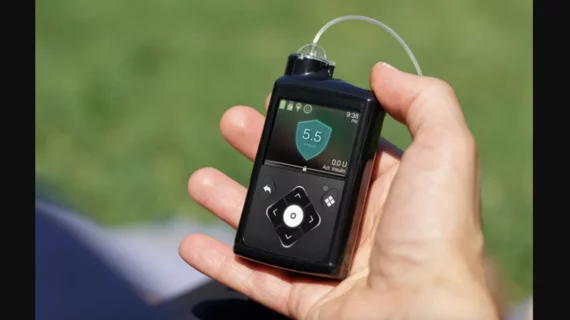
Medtronic’s MiniMed 780G automated insulin delivery system

The MiniMed 780G automated insulin delivery system. Image courtesy of Medtronic/MiniMed. 

The FDA-approved device includes meal detection technology that can deliver insulin when users lose track of time or underestimate how a meal may affect their health.

  • Read more about Medtronic automated insulin pump named one of year’s ‘world-changing ideas’

Women remain underrepresented in revascularization trials—can cardiology leaders reverse that trend?

older female patient and doctor

“If together we do not just hope for, but demand, adequate representation as a necessary criterion for high-quality studies worthy of adoption into practice, we will have a real shot at achieving true equity in our trials," cardiologists said in a new commentary.

  • Read more about Women remain underrepresented in revascularization trials—can cardiology leaders reverse that trend?

Exploring the biggest trends at HRS 2024

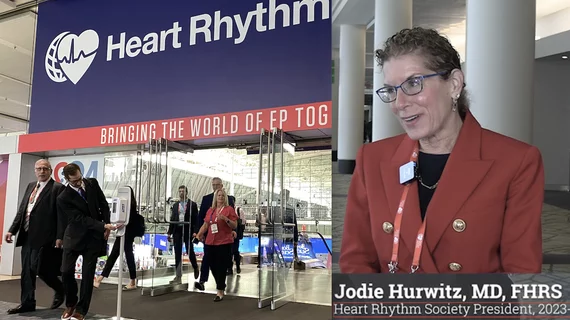
HRS president Jodie Hurwitz, MD, discusses trends in electrophysiology at the 2024 HRS meeting.

Heart Rhythm Society President Jodie Hurwitz, MD, told Cardiovascular Business that pulsed field ablation was one of the hottest topics at Heart Rhythm 2024. It may be early, she said, but the technology is already making an impact. 

  • Read more about Exploring the biggest trends at HRS 2024

Keto diet linked to risk of significant heart damage—taking small breaks can help

Keto diet may raise risk of cardiovascular issues

Following a ketogenic diet for an extended period of time may age cells much faster than normal, according to new data published in Science Advances. This could be particularly damaging to the heart and kidneys.

  • Read more about Keto diet linked to risk of significant heart damage—taking small breaks can help

Wearable ECG specialists acquire new testing facility to reach more patients

WearLinq's eWave six-lead wearable ECG monitor. The eWave device, which works in tandem with a user’s smartphone to deliver long-term monitoring services. The eWave device can last up to five days on a single charge, and it sends automated alerts when the battery is low or signal quality suggests a new patch is required.

Image courtesy of WearLinq.

San Francisco-based WearLinq says the acquisition will help its six-lead ECG technology reach more heart patients throughout the United States.   

  • Read more about Wearable ECG specialists acquire new testing facility to reach more patients

Pagination

    • First page « First
    • Previous page ‹ Previous
    • Page …221
    • Page 222
    • Page 223
    • Page 224
    • Current page 225
    • Page 226
    • Page 227
    • Page 228
    • Page 229 …
    • Next page Next ›
    • Last page Last »
Subscribe
  • Home
  • News
  • Article Archive
  • Custom Content
  • Webinars
  • Press Releases
  • Content Studio
  • Advertising
  • Submit Press Release
  • Contact Us
  • Terms of Use
  • Privacy Policy
  • Cardiovascular Business
  • HealthExec
  • Radiology Business
 
© 2026 Innovate Healthcare | All Rights Reserved. | Terms of Use | Privacy Policy
 
Design by Adaptive Theme