French pharmaceutical company Servier has partnered with Bioserenity to launch a “smart T-shirt” they’re calling the Cardioskin—a wearable innovation that would allow heart patients to monitor their cardiac rhythm throughout the day, the Daily Mail has reported.
Minimally invasive cardiac surgery without peripheral cannulation is both safe and effective for correcting a wide range of congenital heart defects, including mitral valve repair and pulmonary stenosis, according to research published in Heart, Lung and Circulation this week.
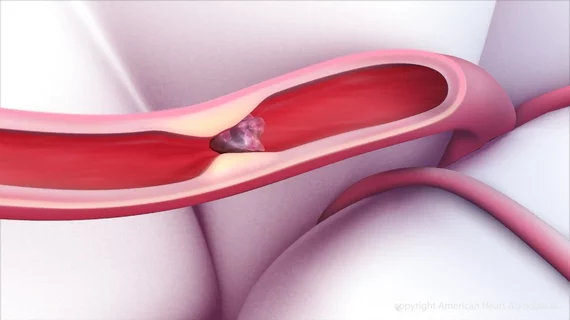
Certain characteristics predict how responsive a blood clot will be to intravenous alteplase, according to research published Sept. 11 in JAMA—knowledge that may help clinicians more efficiently triage patients with acute ischemic stroke.
Research out of Australia suggests newborns with congenital heart disease (CHD) are likely to have enlarged kidneys at birth—a finding that could help alert physicians to organ abnormalities before a child is born.
Scientists hope personalized data from patients experiencing irregular heartbeats will help improve accuracy in heart ablation procedures. The 3D simulations of 21 patients allow physicians to locate arrhythmia by “poking” the simulated heart with small electrical signals in various locations.
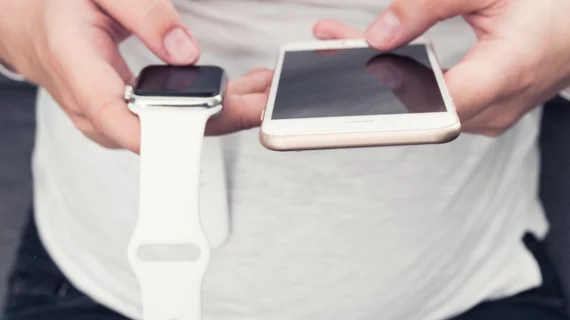
The Apple Watch Series 4—the device’s first major update since its introduction to the market three years ago—will feature an electrocardiogram in addition to its existing heart rate monitor, the Verge reported this week.
The FDA is launching “the largest coordinated tobacco compliance effort” in the agency’s history, according to a 3,493-word statement from Commissioner Scott Gottlieb, MD, released on Sept. 12.
A group of researchers who analyzed more than 3,000 tweets related to OpenAPS have found the DIY diabetes management solution to be a positive force in the type 1 diabetes (T1D) community, despite its lack of approval from the FDA or other federal organizations.
Exposure to fluoroquinolones—one of the most popular classes of antibiotics in the world—is associated with more than double the risk of aortic aneurysm or aortic dissection, according to a study published online in the Journal of the American College of Cardiology.