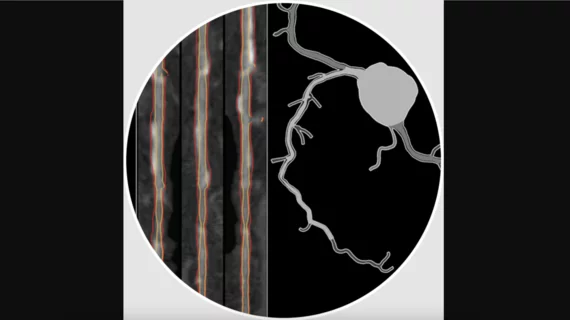
A diabetic foot ulcer that does not heal due to low blood supply from peripheral artery disease (PAD), and the before and after interventional angiograms of the patient's revascularization treatment. Images courtesy of Foluso Fakorede, MD
PAD in patients with diabetes is common and associated with an increased risk of several adverse events. A new guidance from the American College of Cardiology reviewed this topic at length, identifying areas where care needs to improve.
One of the event's primary takeaways was that interventional cardiology does still attract a healthy number of trainees. However, SCAI sees several ways the specialty can improve to be even more appealing in the future.
PFA has emerged as the preferred ablation strategy for many electrophysiologists, but some questions do remain about its long-term impact. HRS is developing this new registry to be as user-friendly for clinicians as possible.
The ACC and AHA both issued new statements on noninvasive CCTA offerings that use advanced AI to evaluate patients with suspected CAD. These technologies have gained significant momentum in recent years, and experts agree that they represent a game-changing advancement in the world of cardiovascular imaging.
The American College of Cardiology and American Heart Association have issued new guidelines for the management of congenital heart disease in adults. The document outlines how to manage these patients, the challenges they face and much more.
Cardiology has largely shifted to hospital-employed models, driven by reimbursement compression and evolving physician priorities. This has created challenges as well as opportunities.
Hospitals located in more competitive markets may be more likely to perform TAVR instead of SAVR, according to a new analysis of more than 130,000 patients. Is this a reason for concern?
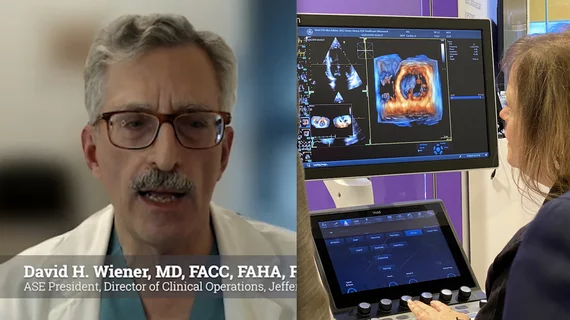
ASE President David Wiener detailed some of the many ways imaging societies need to adapt now that so many imagers are specializing in multiple modalities. It may be time to change how annual conferences are scheduled, for example, so that the costs of travel are easier to manage.