
Cardiology now has more than 200 FDA-cleared AI algorithms
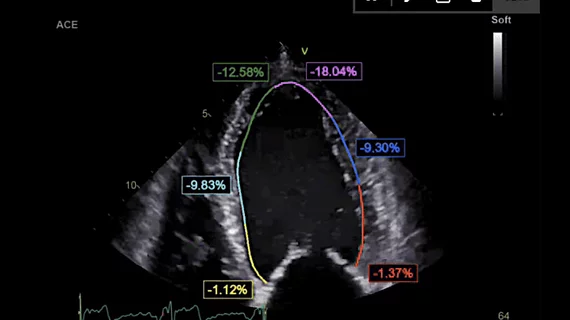
An new update to the U.S. Food and Drug Administration (FDA) list of clinical artificial intelligence (AI) algorithms shows cardiology now has more than 200 clinical AI application available one the U.S. market.
The update lists 1,451 clinical AI algorithms for use in direct patient care. Radiology is the clear king of AI, with 1,104 of its own algorithms and more than 100 clearances listed under neurology, orthopedics and other specialties that are also specific to medical imaging.
Cardiology, meanwhile, has the second highest number of FDA clearances with an official number of 140 and a total of 203 when you add in the algorithms related to cardiac imaging.
These cardiology-focused AI algorithms are used for a variety of tasks, including detecting various cardiovascular findings on images; analyzing ECGs; image derived physiological assessment of blood flow using MRI, CT-FFR and angiography-FFR; adding value to digital stethoscopes; guiding and assisting point of care echo exams; and advanced procedural planning.
The latest FDA-cleared AI models in cardiology
A total of 29 new cardiology AI products were cleared by the FDA since the last time Cardiovascular Business reviewed this topic. These clearances occurred from June to December 2025:
• eMurmur Heart, AI stethoscope auscultation software.
• HeartFlow Analysis, plaque characterization, FFR-CT coronary physiological simulation computed from simulated pressure, velocity and blood flow information obtained from a 3D static coronary CT images.
• Assert-IQ Insertable Cardiac Monitor, an update from Abbott.
• Prolaio eVO2peak Module, remote continuous patient monitoring.
• DeepRhythmAI, Medicalgorithmics, remote ECG monitoring and analytics platform.
• iCardio.ai CardioVision, automated detection of moderate or severe aortic stenosis on echo results.
• Hypertension Notification Feature (HTNF), Apple Inc., smartwatch hypertension detection.
• Volta AF-Xplorer II, Volta Medical, cardiac EP mapping system.
• Bunkerhill ECG-EF, for automated left ventricular ejection fraction (LVEF).
• Tempus ECG-Low EF, reduced ejection fraction notification software.
• ECG-AI Low Ejection Fraction (LEF) 12-Lead algorithm, from Anumana.
• Cardiologs Holter Platform update from Philips for AI analyses and analytics from remote patient monitoring.
• Eko Foundation Analysis Software with Transformers (EFAST), from Eko Health, covering the evaluation of heart sounds and ECG to calculate heart rate, detects murmurs and timing.
• Vital Signs, Oxehealth Limited (LIO), noncontact spot measurement of pulse rate and breathing rate based on video footage from patient hospital room.
• Withings ECG App, over-the-counter ECG app for the ScanWatch.
• PhysCade System, analysis, display and storage of cardiac electrophysiological data.
• Empatica Health Monitoring Platform, wearable physiological remote monitoring.
• TAVIPILOT, Caranx Medical, intra-operative, real-time fluoroscopy detection, tracking and marking of the non-coronary cusp and the prosthetic valve during TAVR.
• CardIQ Suite, GE Medical Systems, analysis of 2D or 3D cardiac CT.
• EchoConfidence, Myocardium, echo automated measurements.
• Careverse CoronaryDoc, web-based tool for viewing and analyzing coronary plaques on CCTA.
• AngioWaveNet, AI enhancement of blood vessels, vascular structures on cine invasive coronary angiography.
• Ligence Heart, fully automated analyses, measurements and reporting for transthoracic echo.
• X1-FFR, Spectrawave, angiography derived FFR
• Cardiovascular Calcification CT, TeraRecon
• cvi42 Coronary Plaque, Circle Cardiovascular Imaging, automated CCTA plaque assesment.
• 3mensio Workstation, Pie Medical Imaging, advanced visualization and quantitative analysis for structural heart pre-procedural planning.
• AiORTA - Plan, ViTAA Medical, CCTA 3D reconstruction and assessment of aortic aneurysm pre-operative planning.
• AI-CVD, Heartland Technologies, combined opportunistic screening for five cardiac conditions on any chest CT scan
• TruSPECT Processing Station, Spectrum Dynamics, for visualization and analysis of cardiac SPECT.
Exploring current AI trends
Overall, the FDA cleared 193 new AI algorithms over the last seven months of 2025. The FDA has been averaging around 200 AI approvals per year, but that figure is increasing.
The first clinical AI algorithms cleared by the FDA were in 1995, and only 10 were cleared in the entire decade after that.
FDA-cleared AI algorithms by speciality, as of March 1, 2026:
• Radiology: 1,104
• Cardiology: 140 (or 203 if including cardiac specific imaging AI that is listed under radiology)
• Neurology: 66
• Anesthesiology: 26
• Hematology: 21
• Gastroenterology and urology: 25
• Ophthalmic: 10
• Clinical chemistry: 9
• Pathology: 8
• General and plastic surgery: 7
• Microbiology: 6
• Dental: 5
• Orthopedic: 5
• Clinical Toxicology: 5
• General Hospital: 4
• OB/GYN: 4
• Ear, nose and throat: 2
• Physical Medicine: 1
• Immunology: 1

Dave Fornell has covered healthcare for more than 17 years, with a focus in cardiology and radiology. Fornell is a 5-time winner of a Jesse H. Neal Award, the most prestigious editorial honors in the field of specialized journalism. The wins included best technical content, best use of social media and best COVID-19 coverage. Fornell was also a three-time Neal finalist for best range of work by a single author. He produces more than 100 editorial videos each year, most of them interviews with key opinion leaders in medicine. He also writes technical articles, covers key trends, conducts video hospital site visits, and is very involved with social media. E-mail: [email protected]