“Patients are in desperate need of an effective treatment, and we are doing everything we can to help find that treatment,” one scientist explained. “The greatest reward would be to see a safe and effective treatment for people who currently have very few options.”
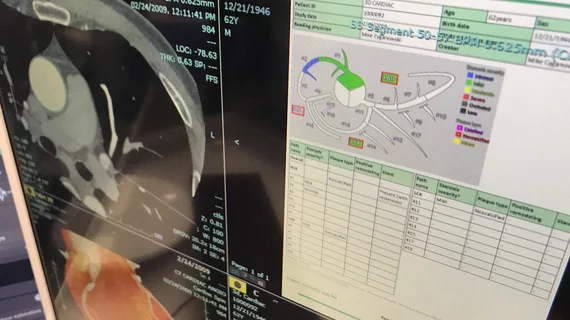
When heart patients are diagnosed with severe AS, how quickly do they need to undergo TAVR? That was the focus of a new analysis published in Open Heart.
Accessing cardiology data for research or population health initiatives is still quite difficult in Europe. Could this new project help reverse that trend?
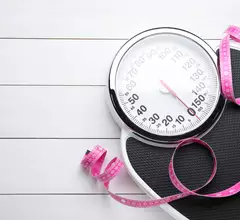
The CDC defines severe obesity, or class III obesity, as any patient with a BMI of 40 or higher. TAVR among these patients is not associated with a lower survival rate, but it does lead to many more risks.
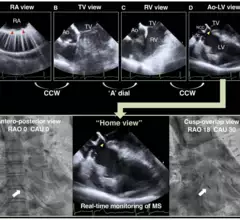
Heart teams can limit the risk of conduction disturbances that lead to permanent pacemaker implantation by utilizing both the cusp-overlap method and intracardiac echocardiography.
When patients with pacemakers die, what happens to the device? Typically, it ends up being discarded and forgotten—they were designed to be single-use devices, after all—but that does not have to be the case.
Researchers examined data from more than 21,000 patients treated from 1997 to 2018, publishing their findings in the Journal of the American Heart Association.
“Cardiothoracic imaging continues to evolve, fueled by technical innovations such as dynamic chest radiography, digital tomosynthesis and dark-field radiography," one radiologist said.