
FDA approves subcutaneous diuretic treatment for heart failure-related edema
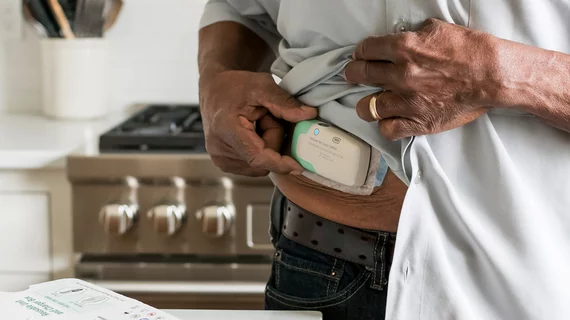
The U.S. Food and Drug Administration (FDA) has approved another new treatment option for heart-failure related edema.
Just weeks after its approval of bumetanide nasal spray for the treating edema associated with congestive heart failure, kidney disease and liver disease, the agency has given the greenlight to Lasix ONYU, a new drug-device combination from SQ Innovation, for adult patients with chronic heart failure.
Lasix ONYU provides patients with injections of a high-concentration formulation of furosemide. The injections are delivered with a small two-in-one device. While the base of the device is reusable, only to be replaced after 48 treatments, the other part of the device is used once and then discarded. According to SQ Innovation, this new-look design helps ensure the delivery device can be manufactured at a low enough price point so the treatment remains affordable.
In one recent analysis published in European Heart Journal – Cardiovascular Pharmacotherapy, researchers found that the Lasix ONYU technology was linked to a bioavailability similar to receiving furosemide through an IV. Treatment was also confirmed to be “feasible and well tolerated.”[1]
“Lasix ONYU has the potential to be transformative in the care of patients experiencing worsening heart failure due to fluid overload,” Pieter Muntendam, MD, founder, president and CEO of SQ Innovation, said in a statement. “Treating selected patients at home offers important benefits to patients, health systems and payors.”
“Heart failure is the most common serious medical condition in the U.S. and affects about one in four Americans during their lifetime,” added Javed Butler, MD, a professor of medicine at the University of Mississippi and president of the Baylor Scott and White Research Institute. “The number of patients affected is expected to double over the next 20 years and we currently already often lack adequate resources to take care of the 6.7 million patients affected presently–there are not enough beds, clinicians and funds. The only two actionable solutions now are more widespread adoption of guideline directed medical therapy and treating more patients at home with products such as subcutaneous diuretics instead of hospitalization for intravenous diuretics.”

Michael has more than 19 years of experience as a professional writer and editor. He has written at length about cardiology, radiology, artificial intelligence and other key healthcare topics.