
ICD patients may experience fear, anxiety or depression due to their devices
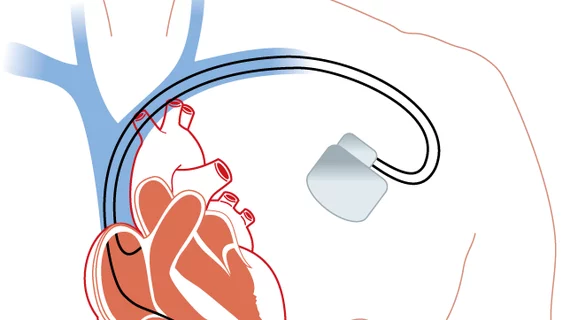
Patients may experience a significant amount of stress and/or anxiety due to receiving an implantable cardioverter-defibrillators (ICD), according to a new analysis published in The American Journal of Cardiology.[1] Can anything be done to help patients through this experience?
“ICDs are life-saving devices that detect and correct potentially fatal arrhythmias, such as ventricular tachycardia or fibrillation,” wrote corresponding author Adrian Baranchuk, MD, a cardiologist with Kingston Health Sciences Center, and colleagues. “Their clinical use has significantly decreased sudden death from cardiac arrest; they remain the most notable treatment for both primary and secondary prevention in high-risk cardiac patients. However, alongside their efficacy in a clinical setting, the arduous, disruptive nature of ICDs introduces several psychosocial challenges for patients, including anxiety, anticipatory fear, depression, and post-traumatic stress disorder (PTSD), even when no shock has occurred.”
Early concerns and ‘shock anxiety’
Previous studies have found that nearly 23% of ICD patients experience anxiety, and approximately 15% experience depression. And the psychological burden of being treated with an ICD can begin before the patient even receives the device. Will it hurt? Will it result in unplanned lifestyle changes? These are just some of the questions a patient may ask.
“These symptoms are not limited to people who have already had cardiac events,” the authors wrote. “People receiving ICDs for primary prevention showed similar levels of psychological distress as those getting them for secondary prevention. This suggests that anticipating the implantation—and what life might be like afterward—can be just as overwhelming as having lived through a sudden cardiac arrest.”
Some ICD patients live in fear of being shocked by the device, even limiting their daily activities to reduce the risk. This “shock anxiety” is even worse in patients who do not necessarily trust technology. There are also patients who fear that their battery may run out, “avoiding solitary outings due to fear of device malfunction.”
The authors also pointed to ICD recalls and cybersecurity concerns as two other factors that can have a negative impact on a patient’s mental health. Cybersecurity flaws can be corrected with an update, they noted, but not all patients seek out updates when they are made available.
“Doctors should communicate clearly and emphasize the low risk associated with software upgrades compared to the potential consequences of not upgrading,” they wrote. “This may help reduce anxiety and increase the number of people willing to get the upgrade.”
The benefits of counseling
The authors emphasized that counseling can play a powerful role when it comes to helping ICD patients move past their fears. For example, they pointed to research showing that self-reported levels of worry can decrease significantly when patients undergo counseling sessions to confront their ICD fears.
“Counselling was most effective for patients whose ICD issues could be resolved through software reprogramming, demonstrating that patient perception of risk is closely related to the perceived easiness of resolution,” they wrote. “On the other hand, patients who required surgery remained more anxious despite counselling, highlighting the need for additional psychological support for this group.”
Overall, the group concluded, healthcare providers should always consider the mental impact of treating cardiac issues with an ICD. These devices can save a patient’s life, but it is still important to “recognize and address the psychological effects that may arise.”
“To improve patient care, professionals should ensure that they integrate mental health screening and education into their routine ICD check-ups,” they wrote.
Click here for the full analysis.