
FDA approves JenaValve TAVR system for aortic regurgitation
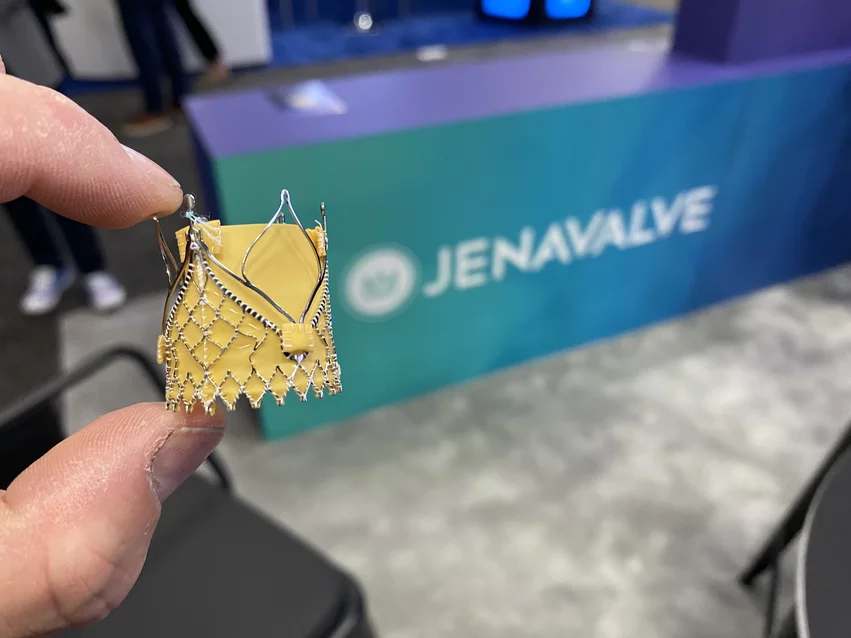
JenaValve has secured U.S. Food and Drug Administration (FDA) approval for its Trilogy Transcatheter Heart Valve System to be used for transcatheter aortic valve replacement (TAVR) procedures in patients with symptomatic, severe aortic regurgitation (AR).
JenaValve made a bit of history with this approval. The Trilogy valve is now officially the first TAVR device approved by the FDA for the treatment of symptomatic, severe AR. All other TAVR valves cleared by the FDA since 2012 have been for aortic valve stenosis (AS), where the valve is calcified, offering a secure anchor point for the valve. The Trilogy can be used in non-calcified valves.
The FDA’s decision was largely based on positive data from the ALIGN-AR trial, which explored the safety and effectiveness of the Trilogy valve in patients with pure AR. Initial findings from ALIGN-AR were presented at TCT 2023, and updated findings were then shared at ACC.25. In both cases, the trial results were consistently positive; the Trilogy technology was linked to an “excellent” performance and met all primary endpoints.
“With what we have learned about the Trilogy valve from the ALIGN-AR trial, we now have the answer to a question that the cardiology community had struggled with—can we safely and effectively treat patients with severe aortic regurgitation with a transcatheter device? The answer is yes,” Martin B. Leon, MD, professor of medicine and director of the Center for Interventional Vascular Therapy at Columbia University Irving Medical Center/New York-Presbyterian Hospital, global program chair of the ALIGN-AR Trial and founder of the Cardiovascular Research Foundation, said in a prepared statement. “The unique design of the Trilogy System—with its locator technology providing secure anchoring even in the absence of calcium—addresses the fundamental challenge that has made AR so difficult to treat. This approval establishes a new standard of care for high-risk AR patients and is a landmark achievement for the field of interventional cardiology.”
A major shift in the treatment of structural heart disease
Aortic valve surgery is the most common recommendation when patients present with severe AR. Because these surgeries are associated with certain risks, however, clinicians have started treating AR with TAVR valves built to treat AS. This off-label treatment strategy has proven to be feasible when necessary, but many patients still go on to require a second valve. In addition, residual AR that is moderate or worse occurs in a significant number of patients.
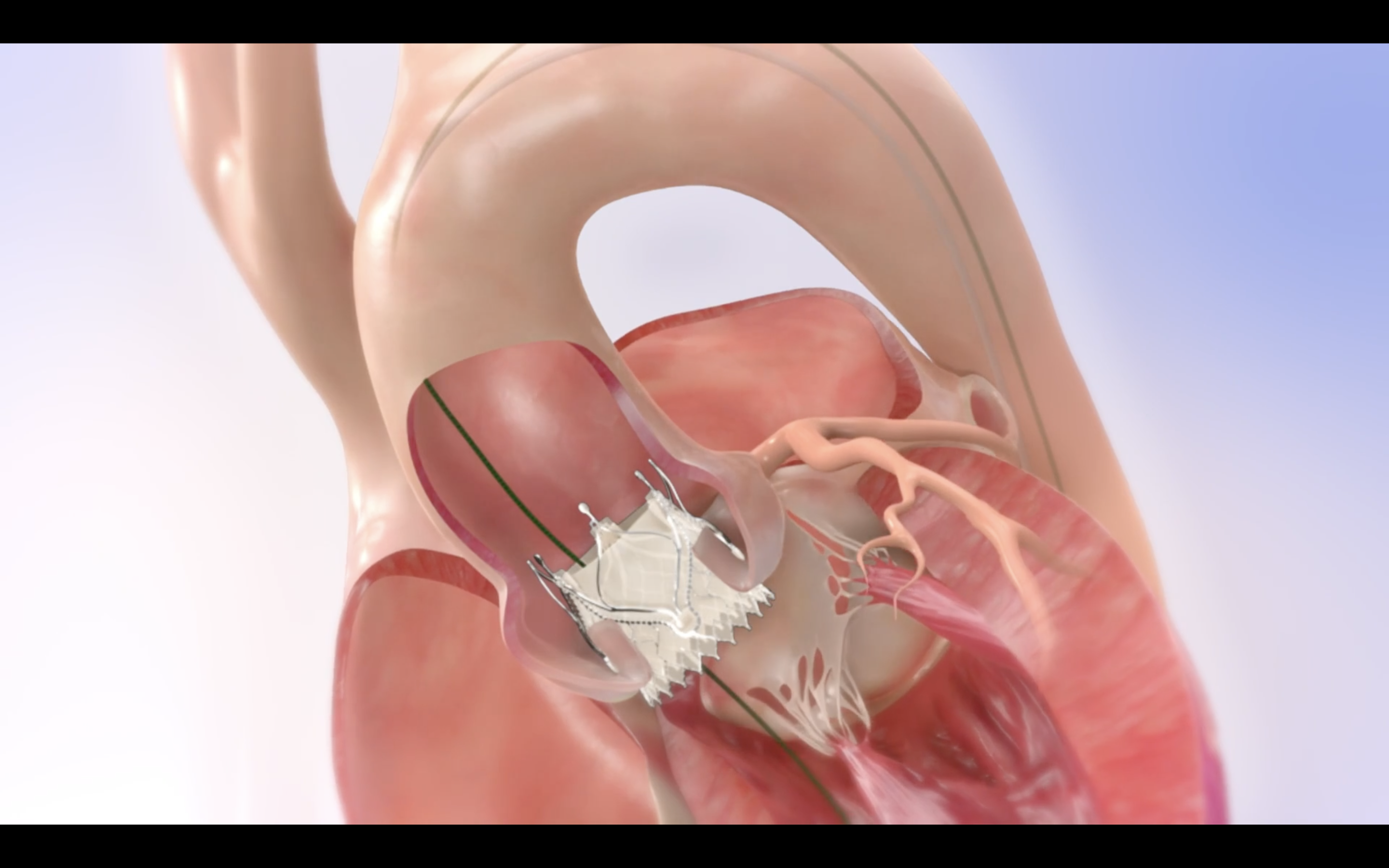
Image courtesy of JenaValve.
In January, researchers reviewed this ongoing problem in The American Journal of Cardiology, highlighting the treatment of AR as the next big challenge for modern TAVR technologies.[2]
This approval by the FDA changes all of that; in the United States, the off-label treatment of AR with TAVR valves built for AS should no longer be necessary. Instead, clinicians can implant the Trilogy valve, which was built specifically to treat AR.
Edwards Lifesciences previously agreed to acquire JenaValve—but then the Trump administration stepped in
In 2024, Edwards Lifesciences agreed to acquire the two primary medtech companies developing TAVR valves for the treatment of AR: JC Medical and JenaValve. The U.S. Federal Trade Commission (FTC) ultimately blocked the JenaValve acquisition with a lawsuit, however, arguing that Edwards would be killing any chance of head-to-head competition by owning both companies.
Edwards and JenaValve both pushed back, asking for the FTC’s lawsuit to be dismissed, but those arguments did not appear to make an impact.
“This is a major win for the Trump-Vance administration,” an FTC spokesperson said at the time. “We will never stop working to promote innovation, lowering healthcare costs and saving American lives.”

Michael has more than 19 years of experience as a professional writer and editor. He has written at length about cardiology, radiology, artificial intelligence and other key healthcare topics.