
Screening and treatment for chronic kidney disease in heart disease patients needs to be expanded
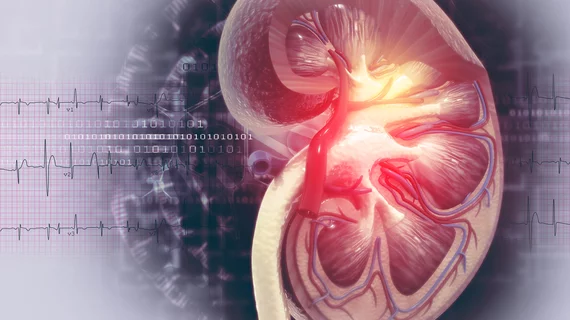
While the incidence of chronic kidney disease (CKD) is rising and is an independent risk factor for the development of coronary artery disease (CAD), screening and treatment with cardio-renal protective therapy remain low, according to a new study published in the Journal of the American College of Cardiology (JACC).[1]
The INTERASPIRE study examined a longitudinal cross-section of 4,548 adults who were hospitalized with a CAD event. Conducted from 2020 to 2023 across 14 countries, it included patients from all six World Health Organization (WHO) regions, who were followed for two to three years to quantify the prevalence of CKD in CAD patients. The study also evaluated the prognostic value of estimated glomerular filtration rate (eGFR) and urinary albumin/creatinine ratio (UACR).
The authors found that there is substantial room to improve care and outcomes. In terms of testing, relying solely on eGFR misses a large number of CKD patients.
"Early screening for CKD in patients with CAD is important and must include both eGFR and UACR to provide adequate information. Without UACR, one half of the patients with CKD would remain undetected. Treatment with cardio-renal protective therapy was low, indicating a significant improvement potential," explained lead author Safi Moayad Al-Azzawy, MD, at Karolinska Institute, in Stockholm, Sweden.
The authors said the global number of cardiovascular disease deaths attributable to CKD increased significantly between 1990 and 2021, which was especially pronounced in elderly and middle socio-economic groups. In this study, the risk associated with under-recognized CKD emerged early during follow-up visits. The researchers said this demonstrates early risk emergence rather than long-term progression, highlighting the need for early screening after a CAD diagnosis so cardio-renal protective drugs can be started much earlier.
Despite this study focusing on CKD, only a minority of patients received adequate cardio-renal protective therapy, the authors noted.
Cardio-renal protective drugs prescribed to these patients included RAAS inhibitors, sodium-glucose cotransporter 2 (SGLT2) inhibitors, and glucagon-like peptide-1 receptor agonists (GLP-1RAs). RAAS inhibitors were by far the most widely prescribed, at about 70%. SGLT2 inhibitors were prescribed to between 13% and 20% of patients, depending on their risk level. GLP-1RAs were only used in about 1% of patients.

Dave Fornell has covered healthcare for more than 17 years, with a focus in cardiology and radiology. Fornell is a 5-time winner of a Jesse H. Neal Award, the most prestigious editorial honors in the field of specialized journalism. The wins included best technical content, best use of social media and best COVID-19 coverage. Fornell was also a three-time Neal finalist for best range of work by a single author. He produces more than 100 editorial videos each year, most of them interviews with key opinion leaders in medicine. He also writes technical articles, covers key trends, conducts video hospital site visits, and is very involved with social media. E-mail: [email protected]