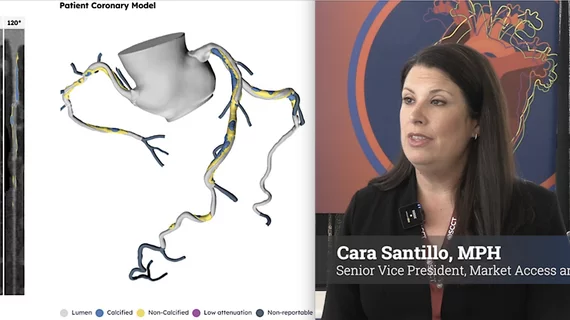
New codes for these technologies have made a world of difference for clinicians. Reimbursement for the use of AI is an area where cardiology is far ahead of most other healthcare specialties.
The law reflects growing interest in using existing imaging studies to identify cardiovascular disease risk without requiring additional scans, radiation exposure or costs.
"We really should have a system that is patient-centric, physician-led, and professionally managed, but in a cost-effective way," Rick Snyder, MD, said.
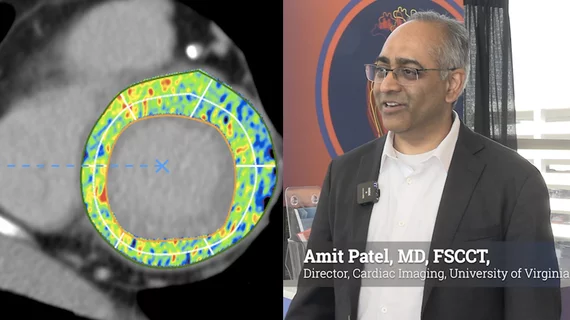
MRI scans have traditionally been used for extracellular volume assessments. That is starting to change, however, as cardiac CT moves beyond its typical focus on the coronary arteries.
Afnan Tariq, MD, discusses early data on a passive, device-agnostic AI platform for heart failure monitoring. “When clinicians are empowered with insights and able to act earlier, you're able to have a durable impact," he said.
While the Trump administration is pushing to accelerate clinical AI adoption, SCAI has emphasized that physicians must guide how the technology is implemented and governed.
Serious complications are rare after TAVR, but they can be catastrophic or fatal when they do occur. The care team at Sentara Heart Hospital found that bringing in new 3D software made it much easier to plan ahead for such issues.
The introduction of a 3D pediatric transesophegeal echo probe is having a major impact on how these pediatric congenital heart patients are being treated.
The efficiency adjustment cuts introduced in the 2026 MPFS are based on assumptions many doctors believe to be false. The American Society of Nuclear Cardiology and other medical societies are pushing back.