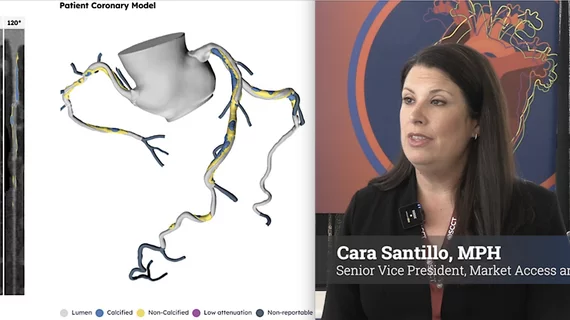
New codes for these technologies have made a world of difference for clinicians. Reimbursement for the use of AI is an area where cardiology is far ahead of most other healthcare specialties.
The law reflects growing interest in using existing imaging studies to identify cardiovascular disease risk without requiring additional scans, radiation exposure or costs.
"We really should have a system that is patient-centric, physician-led, and professionally managed, but in a cost-effective way," Rick Snyder, MD, said.
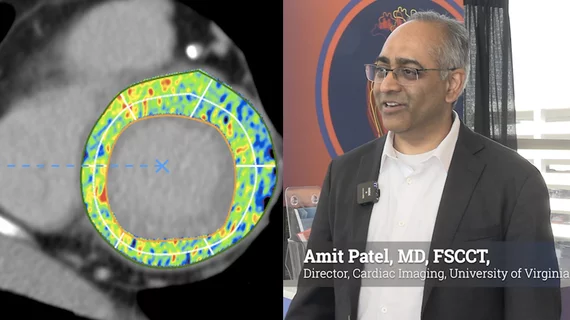
MRI scans have traditionally been used for extracellular volume assessments. That is starting to change, however, as cardiac CT moves beyond its typical focus on the coronary arteries.
The Impella CP heart pump is being used more and more to treat cardiogenic shock, and the benefits are clear. For many older patients, however, the technology seem to fall short.
The interventional treatment of tricuspid valve disease has evolved in recent years thanks to new research and critical FDA approvals. Cardiologist Ryan Kaple, MD, reviewed this trend for a new video interview.
Tim Szczykutowicz, PhD, associate professor radiology, University of Wisconsin Madison, explains the new technology developments in GE HealthCare's FDA 510(k)-pending photon-counting CT scanner.
Intravascular lithotripsy is expected to see even wider adoption when lower-profile catheters are introduced and device costs start to drop, explained Samin Sharma, MD.