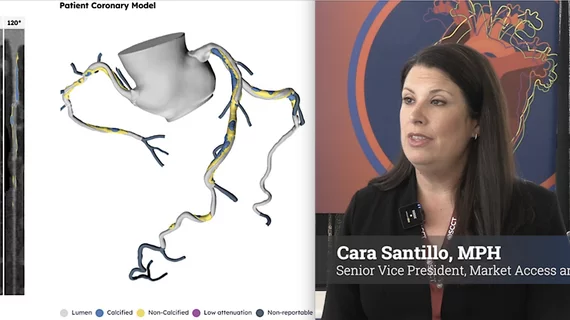
New codes for these technologies have made a world of difference for clinicians. Reimbursement for the use of AI is an area where cardiology is far ahead of most other healthcare specialties.
The law reflects growing interest in using existing imaging studies to identify cardiovascular disease risk without requiring additional scans, radiation exposure or costs.
"We really should have a system that is patient-centric, physician-led, and professionally managed, but in a cost-effective way," Rick Snyder, MD, said.
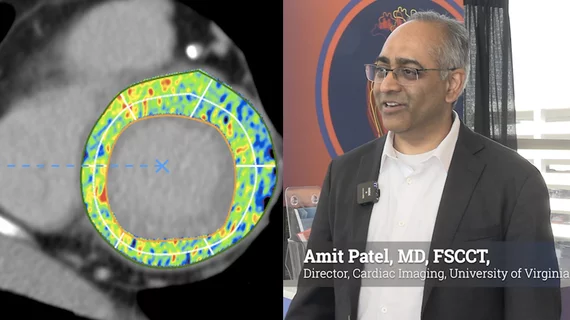
MRI scans have traditionally been used for extracellular volume assessments. That is starting to change, however, as cardiac CT moves beyond its typical focus on the coronary arteries.
Philippe Genereux, MD, principal investigator of the EARLY TAVR trial, discussed how a proactive treatment strategy for patients with asymptomatic AS can lead to better outcomes and improvements in quality of life.
Harlan Krumholz, MD, editor-in-chief of the Journal of the American College of Cardiology, said tricuspid valve treatments are a popular topic among cardiologists right now. TAVR research, meanwhile, remains as important as ever.
Significant fluctuations in PET and CT reimbursement rates have made it especially challenging to keep up with this complex topic. We spoke to an expert to learn more.
Getting technologists, physicians and administrators to work together is a crucial part of any PET program. Research is also essential. Cardiovascular Business spoke to a specialist on the topic to learn more.
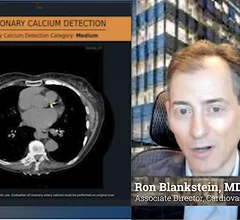
Ron Blankstein, MD, professor of radiology, Harvard Medical School, explains the use of artificial intelligence to detect heart disease in non-cardiac CT exams.
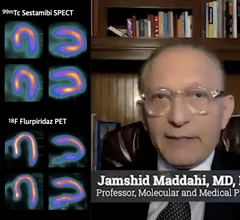
The newly approved PET radiotracer is expected to improve patient care significantly. “We have been able to reach the pinnacle of myocardial perfusion imaging with flurpiridaz," one expert said.
GE HealthCare's flurpiridaz, the PET radiotracer that recently received FDA approval, offers several key benefits over SPECT. Jamshid Maddahi, MD, discussed the details in an exclusive interview.
Patients often have misconceptions about the different PAD treatments that are currently available. Pedro Martinez Clark, MD, outlined those options for a new video interview.