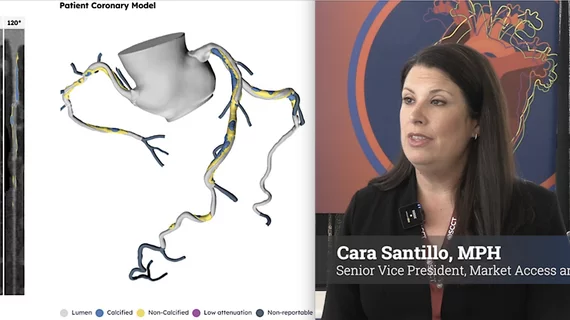
New codes for these technologies have made a world of difference for clinicians. Reimbursement for the use of AI is an area where cardiology is far ahead of most other healthcare specialties.
The law reflects growing interest in using existing imaging studies to identify cardiovascular disease risk without requiring additional scans, radiation exposure or costs.
"We really should have a system that is patient-centric, physician-led, and professionally managed, but in a cost-effective way," Rick Snyder, MD, said.
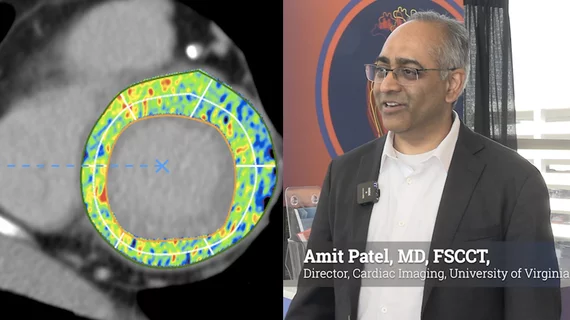
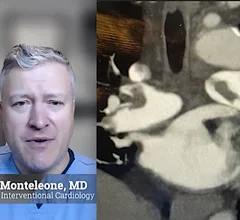
MRI scans have traditionally been used for extracellular volume assessments. That is starting to change, however, as cardiac CT moves beyond its typical focus on the coronary arteries.
The way a cardiology department's management is organized can have a direct impact on physician satisfaction and patient care. "Without good governance and leadership, nothing else matters," one expert said.
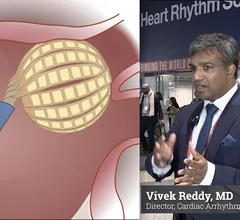
Vivek Reddy, MD, was involved in most of the late-breaking pulsed field ablation trials at Heart Rhythm 2024. He spoke to Cardiovascular Business at the conference about those trials and what they mean going forward.
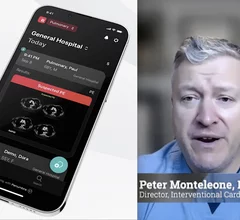
Ascension Health in Texas uses AI that can read CT scans for stroke and pulmonary embolism to activate care teams before the images even get into the PACS.
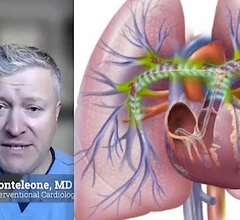
Peter Monteleone, MD, national director of cardiovascular research at Ascension Health, explains the growing role of interventional cardiology in pulmonary embolism treatment and PERT teams.
Long-term continuous monitoring (LTCM) wearable devices now make up 40% or more of the remote ECG monitoring market due to ease of use and collection of more data.