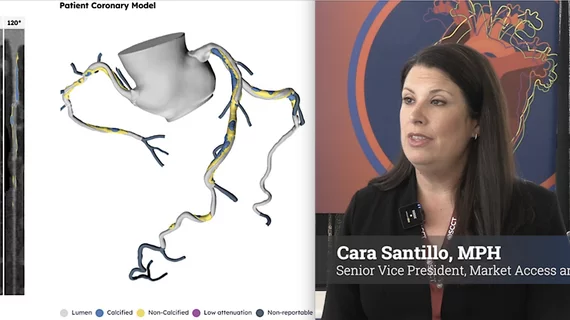
New codes for these technologies have made a world of difference for clinicians. Reimbursement for the use of AI is an area where cardiology is far ahead of most other healthcare specialties.
The law reflects growing interest in using existing imaging studies to identify cardiovascular disease risk without requiring additional scans, radiation exposure or costs.
"We really should have a system that is patient-centric, physician-led, and professionally managed, but in a cost-effective way," Rick Snyder, MD, said.
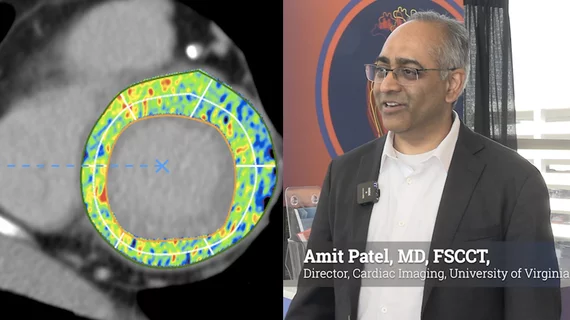
MRI scans have traditionally been used for extracellular volume assessments. That is starting to change, however, as cardiac CT moves beyond its typical focus on the coronary arteries.
Biga, who originally trained as a nurse, specializes in the business side of cardiology. She also emphasized the increasing importance of AI and other new technologies.
Gregg Stone, MD, explains the details of the late-breaking RELIEVE-HF trial at ACC.24, where an inter-atrial shunt improved symptoms in HFrEF, but not in HFpEF patients.
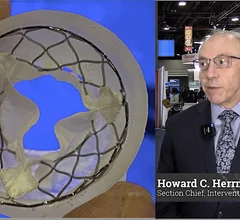
Howard C. Herrmann, MD, principal investigator of the SMART trial, discussed his team's research on self-expanding vs. balloon-expandable TAVR valves in patients with small annuli.
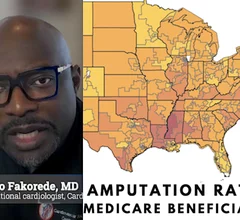
Interventional cardiologist Foluso Fakorede, MD, opened a practice in rural Mississippi, the epicenter of the PAD and CLI epidemic, to try and reverse the glaring health disparities in that region.
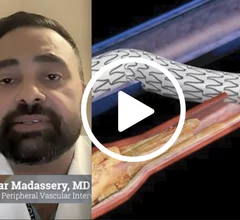
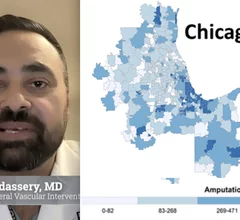
Peripheral artery disease (PAD) leads to more than 400 leg amputations per day in the U.S. Kumar Madassery, MD, discussed the importance of increasing awareness and reaching patients before it is too late.