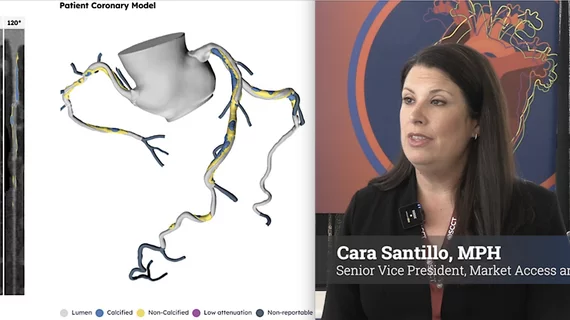
New codes for these technologies have made a world of difference for clinicians. Reimbursement for the use of AI is an area where cardiology is far ahead of most other healthcare specialties.
The law reflects growing interest in using existing imaging studies to identify cardiovascular disease risk without requiring additional scans, radiation exposure or costs.
"We really should have a system that is patient-centric, physician-led, and professionally managed, but in a cost-effective way," Rick Snyder, MD, said.
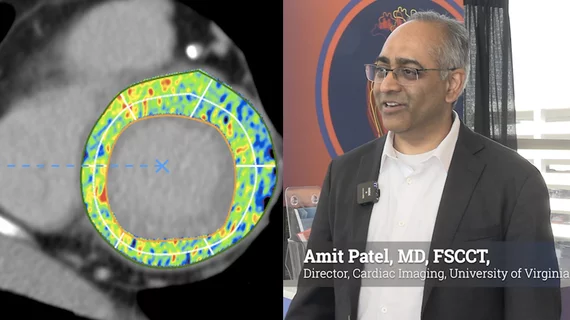
MRI scans have traditionally been used for extracellular volume assessments. That is starting to change, however, as cardiac CT moves beyond its typical focus on the coronary arteries.
Himanshu Gupta, MD, says the implementation of FFR-CT at his facility has provided significant value. He and his colleagues are even working to explore additional ways the technology can help them improve patient care.
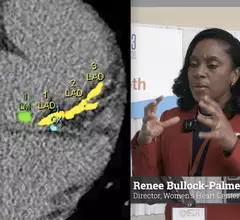
Renee Bullock-Palmer, MD, director, non-invasive cardiac imaging, at the Deborah Heart and Lung Center, explains CT calcium scoring can determine if a patient needs to take aspirin and statins for prevention of coronary disease.
Rad Partners' Nina Kottler, MD, explains what practices should consider when assessing artificial intelligence solutions in an era where there is little reimbursement.
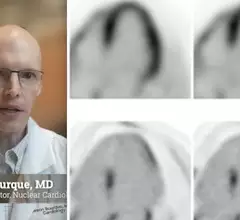
Jamie Bourque, MD, spoke to Cardiovascular Business about the growing number of ways FDG-PET scans are being used in cardiology. This includes evaluating inflammation, tracking EP device infections and much more.
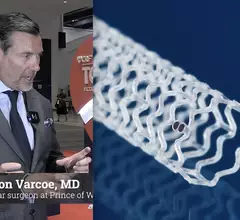
Ramon Varcoe, MBBS, co-principal investigator for the LIFE-BTK trial, discussed the results with Cardiovascular Business at TCT 2023. "I can't wait to start using these in my patients. It's going to make a huge difference."
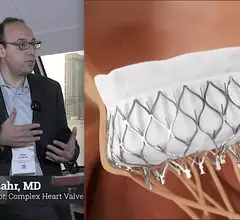
Firas Zahr, MD, spoke to Cardiovascular Business about early data on the Medtronic TMVR device. His team's study is designed to follow patients for a total of five years.