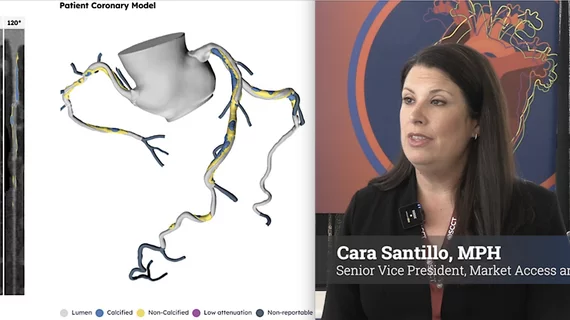
New codes for these technologies have made a world of difference for clinicians. Reimbursement for the use of AI is an area where cardiology is far ahead of most other healthcare specialties.
The law reflects growing interest in using existing imaging studies to identify cardiovascular disease risk without requiring additional scans, radiation exposure or costs.
"We really should have a system that is patient-centric, physician-led, and professionally managed, but in a cost-effective way," Rick Snyder, MD, said.
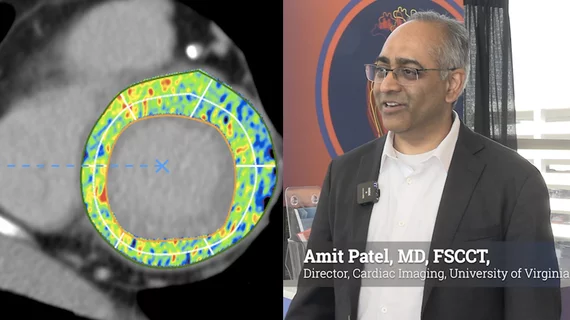
MRI scans have traditionally been used for extracellular volume assessments. That is starting to change, however, as cardiac CT moves beyond its typical focus on the coronary arteries.
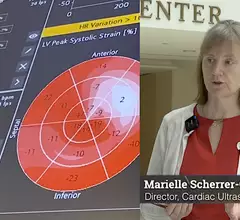
Marielle Scherrer-Crosbie, MD, told Cardiovascular Business that the current lack of reimbursement for strain echocardiography has been a challenge for care teams.
Lawrence Phillips, MD, president of the American Society of Nuclear Cardiology, said that U.S. physicians are growing more and more frustrated by Medicare policies.
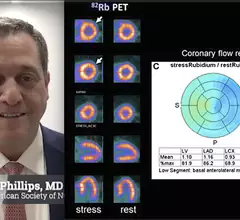
ASNC President Lawrence Phillips, MD, wants to see nuclear cardiologists modernize their labs and embrace new strategies for the evaluation of amyloidosis, sarcoidosis and inflammation.
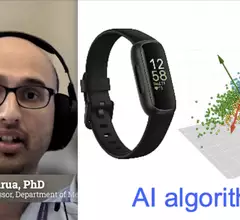
NYU Grossman School of Medicine researchers used artificial intelligence and wearable activity trackers to improve the monitoring and classification of older adult cardiac rehabilitation patients.