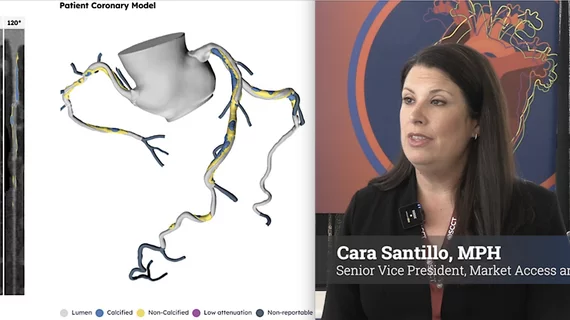
New codes for these technologies have made a world of difference for clinicians. Reimbursement for the use of AI is an area where cardiology is far ahead of most other healthcare specialties.
The law reflects growing interest in using existing imaging studies to identify cardiovascular disease risk without requiring additional scans, radiation exposure or costs.
"We really should have a system that is patient-centric, physician-led, and professionally managed, but in a cost-effective way," Rick Snyder, MD, said.
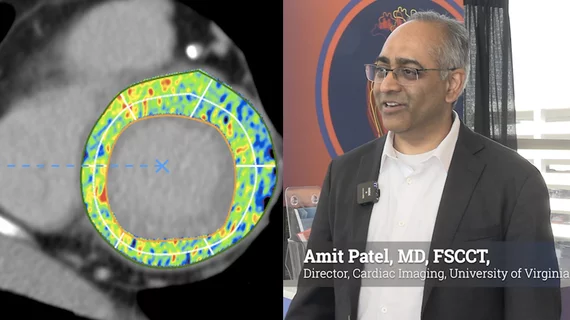
MRI scans have traditionally been used for extracellular volume assessments. That is starting to change, however, as cardiac CT moves beyond its typical focus on the coronary arteries.
Matthew Reynolds, MD, Lahey Hospital and Medical Center, explains data from the EXCALIBER and CAMELOT studies that show ambulatory cardiac monitoring usage among more than 300,000 patients.
As profit margins in healthcare continue to shrink, telemedicine and remote monitoring are seeing a large increase to help cut costs while still delivering care outside of the hospital.
Paul Zei, MD, discusses late-breaking data from the REAL-AF Registry, which looked at the short- and long-term outcomes of radiofrequency ablation in paroxysmal and persistent atrial fibrillation.
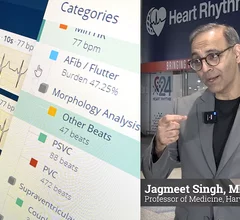
Jagmeet Singh, MD, delivered a keynote address at HRS 2024 on the future of AI in electrophysiology. He spoke to Cardiovascular Business, sharing additional thoughts about the topic.