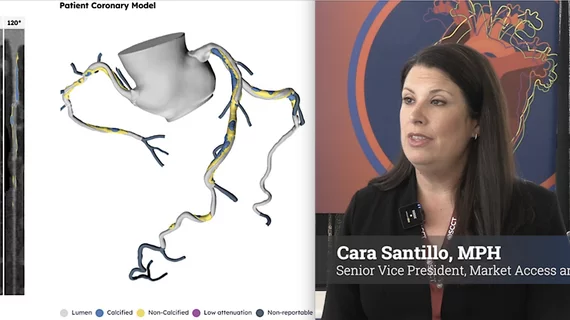
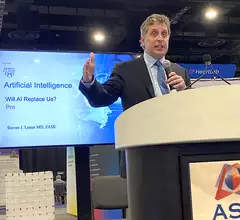
New codes for these technologies have made a world of difference for clinicians. Reimbursement for the use of AI is an area where cardiology is far ahead of most other healthcare specialties.
The law reflects growing interest in using existing imaging studies to identify cardiovascular disease risk without requiring additional scans, radiation exposure or costs.
"We really should have a system that is patient-centric, physician-led, and professionally managed, but in a cost-effective way," Rick Snyder, MD, said.
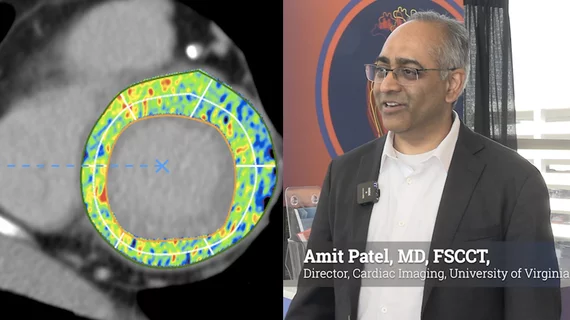
MRI scans have traditionally been used for extracellular volume assessments. That is starting to change, however, as cardiac CT moves beyond its typical focus on the coronary arteries.
Strain imaging has gained considerable momentum in recent years as an effective tool for getting more value out of heart evaluations. Ritu Thamman, MD, provided an in-depth look at the latest trends in strain echocardiography in an exclusive interview.
"I think everyone would agree that the current fee-for-service model is not working appropriately and there needs to be a fix," regulatory consultant Denise Garris explained in a new interview.
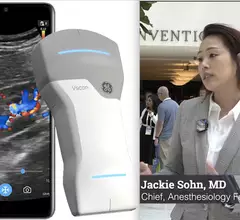
Jackie Sohn, DO, discussed how POCUS is now incorporated into fellowship training programs and the different ways these handheld and smaller cart-based systems are being utilized in hospitals.
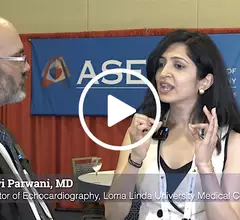
Purvi Parwani, MD, discussed the trend toward multimodality imaging for heart failure management. All modalities have their own weaknesses, she explained.
Steen Dalby Kristensen, a cardiologist with Aarhus University Hospital in Denmark, detailed some of the hottest topics at the European Society of Cardiology's annual meeting.
American Society of Echocardiography (ASE) President Stephen Little, MD, says there will be an increasing need for interventional echocardiographers in the near future.