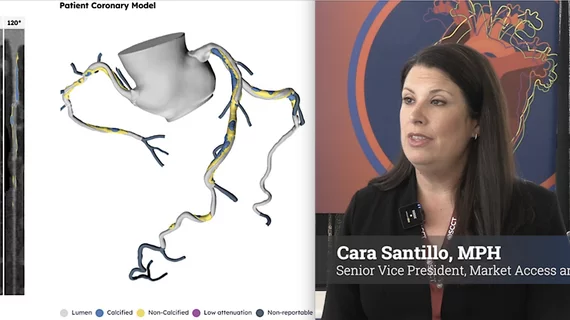
New codes for these technologies have made a world of difference for clinicians. Reimbursement for the use of AI is an area where cardiology is far ahead of most other healthcare specialties.
The law reflects growing interest in using existing imaging studies to identify cardiovascular disease risk without requiring additional scans, radiation exposure or costs.
"We really should have a system that is patient-centric, physician-led, and professionally managed, but in a cost-effective way," Rick Snyder, MD, said.
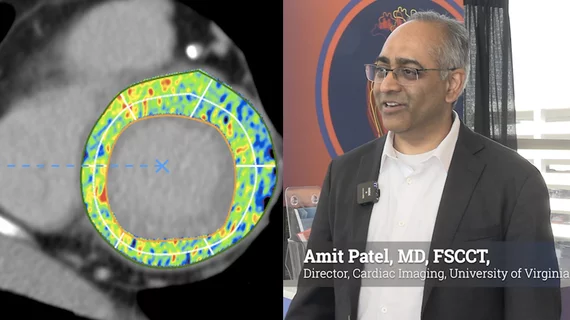
MRI scans have traditionally been used for extracellular volume assessments. That is starting to change, however, as cardiac CT moves beyond its typical focus on the coronary arteries.
Ritu Thamman, MD, provided an in-depth look at some of the issues women still encounter in the cardiology workplace, including bullying and barriers to promotion.
Two experienced lobbyists who represent the American Society of Echocardiography detailed some of the biggest issues they are working on in Washington.
Partho Sengupta, MD, an expert on the use of AI in cardiology, says some of the technologies being developed today will fundamentally change how cardiologists and sonographers do their jobs.
Nicholas Smedira, MD, a cardiovascular surgeon with Cleveland Clinic, discusses septal myectomy and the need to improve overall HCM care with new standards and evidence-based guidelines.