New codes for these technologies have made a world of difference for clinicians. Reimbursement for the use of AI is an area where cardiology is far ahead of most other healthcare specialties.
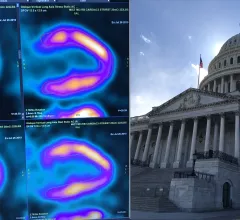
The law reflects growing interest in using existing imaging studies to identify cardiovascular disease risk without requiring additional scans, radiation exposure or costs.
"We really should have a system that is patient-centric, physician-led, and professionally managed, but in a cost-effective way," Rick Snyder, MD, said.
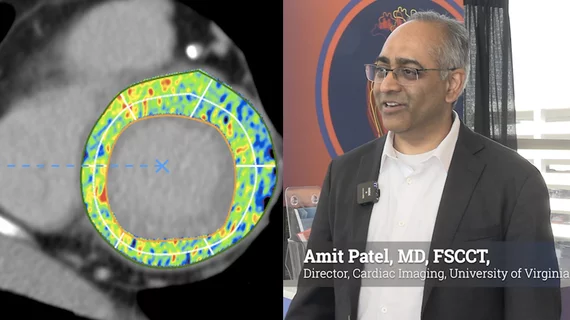
MRI scans have traditionally been used for extracellular volume assessments. That is starting to change, however, as cardiac CT moves beyond its typical focus on the coronary arteries.
Siemens Healthineers showed examples at ACC 2022 of cardiac computed tomography (CT) from its new Naeotom Alpha photon-counting CT scanner cleared by the FDA in 2021.
Ami Bhatt, MD, the American College of Cardiology (ACC) chief innovation officer and adult congenital heart disease cardiologist at Mass General Hospital, discusses how to get physician acceptance to use artificial intelligence (AI).
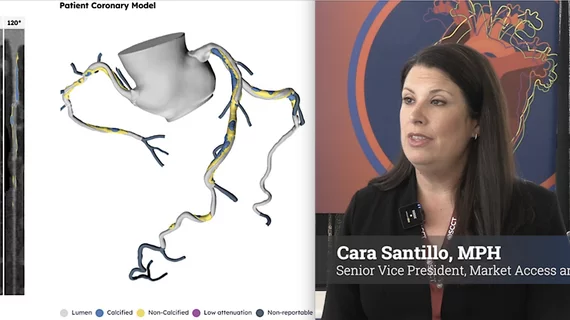
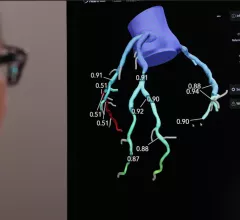
HeartFlow’s non-invasive cardiac computed tomography derived fractional flow reserve (FFR-CT) technology enables FFR values for the entire coronary tree of a patient using just a CT scan. This can show the significance of any coronary plaque lesions and if a patient needs to be sent to the cath lab for revascularization, or if they can be treated medically.
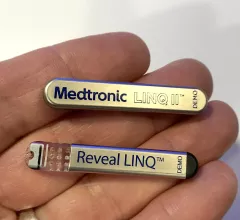
The Medtronic Linq and Linq II implantable cardiac monitors (ICM) have become some of the most popular ICM devices on the market, partly because they are easy to insert.
In a recent interview with Cardiovascular Business, ACC President Edward T. A. Fry, MD, discussed some of the healthcare disparities that were highlighted during the COVID-19 pandemic.