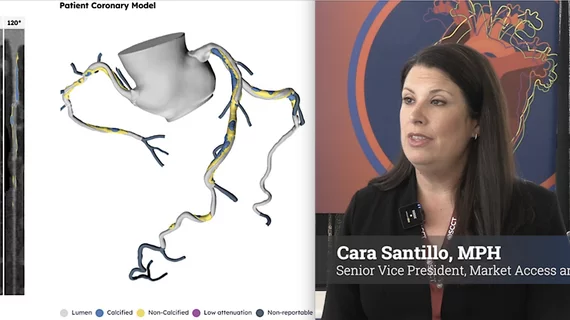
New codes for these technologies have made a world of difference for clinicians. Reimbursement for the use of AI is an area where cardiology is far ahead of most other healthcare specialties.
The law reflects growing interest in using existing imaging studies to identify cardiovascular disease risk without requiring additional scans, radiation exposure or costs.
"We really should have a system that is patient-centric, physician-led, and professionally managed, but in a cost-effective way," Rick Snyder, MD, said.
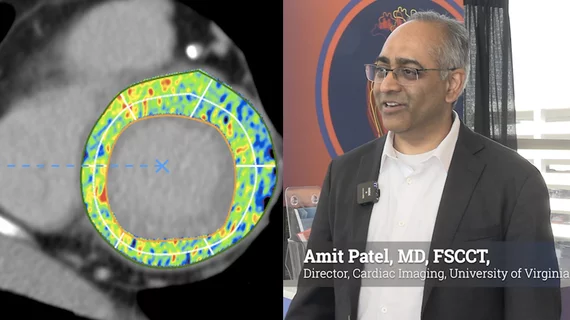
MRI scans have traditionally been used for extracellular volume assessments. That is starting to change, however, as cardiac CT moves beyond its typical focus on the coronary arteries.
Ami Bhatt, MD, the American College of Cardiology (ACC) chief innovation officer, and former director of telecardiology at Mass General Hospital, explains how to create and manage a cardiac telemedicine program.
In a new video, Evans Pappas, MD, and Sujith Kalathiveetil, MD, both of Duly Health and Care in suburban Chicago, explain the shift toward office-based cardiac CT evaluations and the role of FFR-CT.
During the past 10 years, there have been major advancements in cardiology, according to physicians and healthcare leaders. Listen in to hear what cardiology leaders define as the most important.
Surreal was the Merriam Webster word of the year in 2016. Cardiovascular Business asks physicians and others involved in cardiology for their “word of the year” for 2017 is. We’ll give you a hint – the word of the year suggestions start with change and concern and emerge from there.
Palliative care is a growing area in cardiovascular medicine, says ACC President Mary Norine Walsh, MD. Patients with heart failure and patients considering TAVR are among those who may benefit from working with the palliative care team. Listen in.