CVB homepage

Recall | Product recall

According to the FDA, using these devices without following manufacturer recommendations could lead to “serious injuries or death." 

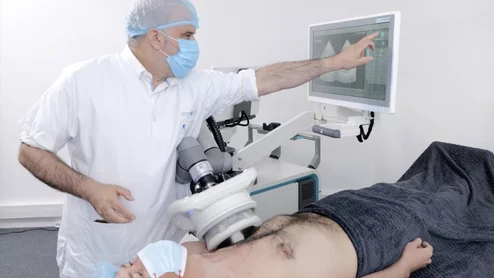
Philips received U.S. Food and Drug Administration (FDA) clearance for a compact transesophageal echocardiography (TEE) ultrasound transducer. The X11-4t Mini 3D TEE transducer was designed to improve image quality when evaluating certain patient populations, including pediatric patients and adults who present with a heightened risk of complications.

The newly approved device is much smaller than previous offerings, helping operators capture 3D images during structural heart evaluations. 

The Farapulse Boston Scientific Pulsed Field Ablation (PFA) system gained U.S. FDA approval in early 2024.

The FDA’s final decision was based largely on positive results from the ADVENT clinical trial, which compared treatment with the Farapulse PFA System to the current standard of care.

According to the U.S. government, Asante Health System and one of its surgeons knowingly submitted false claims to Medicare, Medicaid and TRICARE for more than six years. Heart surgery surgeons.

Annual SAVR volumes in the United States decreased by a whopping 44.5% from 2012 to 2022. However, heart teams across the country seem to agree that surgery is a safer, more effective treatment option than TAVR when patients present with bicuspid aortic valves. 

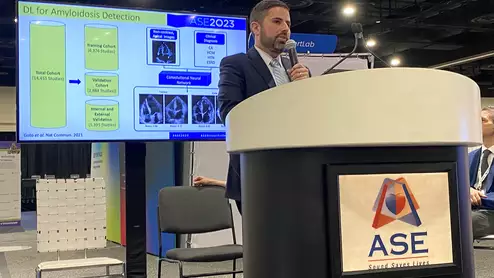
Jeremy Slivnick, MD, presents at the American Society of Echocardiography (ASE) 2023 meeting on how artificial intelligence (AI) can help make echocardiography better able to detect subtle signs of early cardiac amyloid disease when it is easier to treat with better outcomes. ssistant professor of medicine and an advanced cardiac imager at the University of Chicago. Photo by Dave Fornell

Jeremy Slivnick, MD, spoke with Cardiovascular Business about AI's potential to transform how cardiac amyloidosis is diagnosed and treated. 

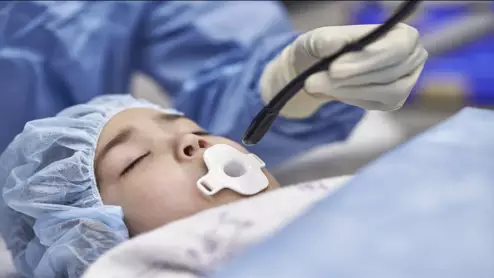
Example of the Esolution device developed by S4 Medical being used during a radiofrequency ablation procedure. Image courtesy of Daoud et al.

Injuries to the esophagus remain a common complication associated with radiofrequency ablation procedures. New research suggests a device developed by S4 Medical could significantly reduce the risk of such injuries.