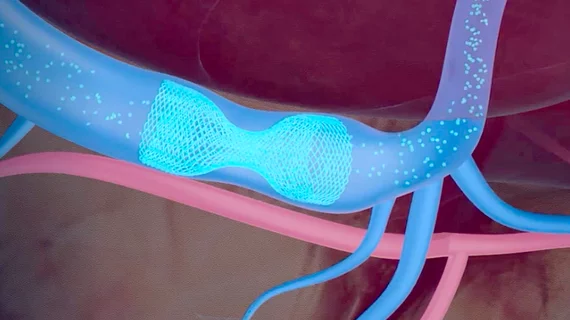
The self-expanding A-Flux device is implanted in the coronary sinus to increase pressure on the venous side of the heart and improve perfusion in smaller vessels.
Several U.S. medical societies have collaborated on a new report advocating for better safety standards in cardiac catheterization labs. As one cardiologist described it, clinicians have shifted from "accepting risk" to "expecting better."
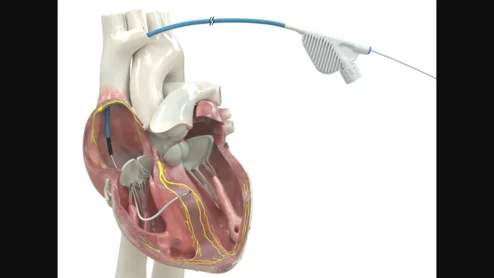
The OmniaSecure defibrillation lead from Medtronic is already approved for placement in the right ventricle. This latest approval covers the left bundle branch area, opening the door for conduction system pacing and other advanced techniques.
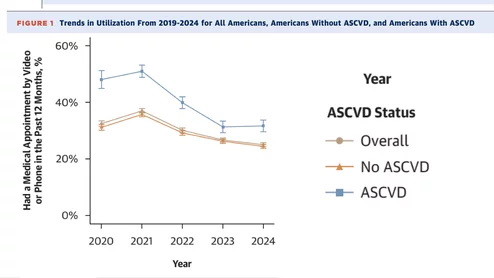
The COVID-19 pandemic created a major shift in how telehealth services were being utilized. Those services were used much more often for some patient populations than others.
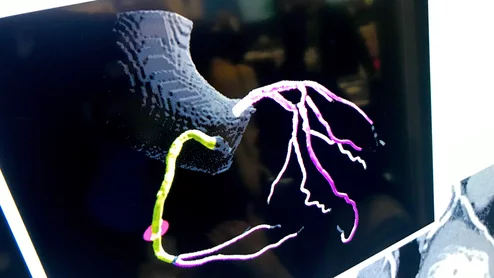
Follow-up care after a successful heart transplant can be challenging—both for providers and their patients. Consider, for example, the fact that so many patients who develop complications never actually present with symptoms.