• Clinical
      |Clinical
    • Acute Coronary Syndromes
    • Cardiac Surgery
    • Covid-19
    • Heart Failure
    • Heart Health
    • Heart Rhythm
    • Hypertension
    • Interventional Cardiology
    • Mitral Valve
    • Pharmaceutics
    • Structural Heart Disease
    • TAVR
    • Tricuspid Valve
    • Vascular & Endovascular
  • Management
      |Management
    • Chest Pain Guidelines
    • Compensation
    • Economics
    • Education & Training
    • Legal News
    • Patient Care
    • Policy & Regulations
    • Professional Associations
    • Quality
    • Revenue
    • Staffing
  • Technology
      |Technology
    • AI
    • Cardiac Imaging
    • Cath Lab
    • CT
    • CVIS
    • ECG
    • Echo
    • EP Lab
    • Informatics
    • MRI
    • Nuclear Cardiology
    • Remote Monitoring
  • Videos
  • Conferences
      |Conferences
    • ACC
    • AHA
    • ASE
    • ASNC
    • ESC
    • EuroPCR
    • HFSA
    • HRS
    • HRS
    • SCAI
    • SCCT
    • SIIM
    • SNMMI
    • STS
    • TCT
    • VIVA
  • Custom Content
      |Custom Content
    • Experience Stories
    • Webinars & Videos
  • Subscribe
  • Forty Under 40 Award
      |Forty Under 40 Award
    • Class of 2026
    • Class of 2025

Search form

Home

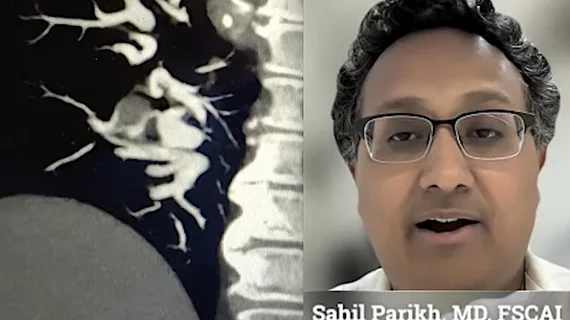
Pulmonary embolism treatments continue to evolve

Sahil Parikh, MD, FSCAI, Director of Endovascular Services at New York-Presbyterian Columbia University Irving Medical Center, and Associate Professor of Medicine at the Columbia University College of Physicians and Surgeons, explains there is scant clinical data on what the standard of care should be for pulmonary embolism, so it is up to clinicians to decide what is best for patients based on whether patients have mild to severe PE.

There is still a lack of lack of standardized treatment protocols for pulmonary embolism. This is mainly due to limited data and a lack of reliable risk assessments, one specialist explained.

  • Read more about Pulmonary embolism treatments continue to evolve

FDA grants drug-eluting bioadaptor its breakthrough device designation

Elixir Medical DynamX sirolimus-eluting coronary bioadaptor FDA

Graphic courtesy of Elixir Medical. 

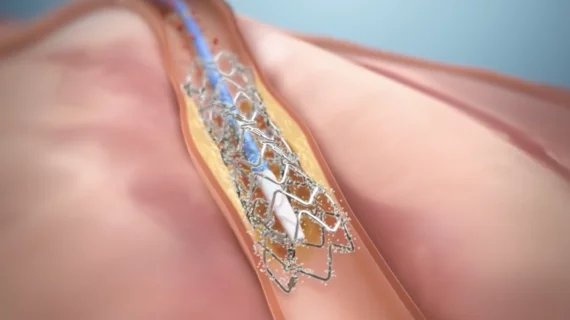
The Elixir Medical DynamX sirolimus-eluting coronary bioadaptor is designed to improve coronary luminal diameter, help restore hemodynamic modulation and reduce plaque progression in patients with de novo coronary artery lesions.

  • Read more about FDA grants drug-eluting bioadaptor its breakthrough device designation

Some weight loss patients are overdosing on semaglutide, FDA warns

American Heart Association and Joint Commission launch new Comprehensive Heart Attack Center certification.

Compounded semaglutide injectable products are at the heart of these concerns. While the FDA says compounded drugs “can serve an important medical need for patients,” the agency does not approve these new formulations, increasing the risk of complications. 

  • Read more about Some weight loss patients are overdosing on semaglutide, FDA warns

Cardiology groups push for Medicare reform in face of ‘unsustainable’ payment cuts

Medicare money payment physician. The CardioVascular Coalition and Society for Cardiovascular Angiography and Interventions have both issued new statements highlighting their issues with the 2024 MPFS proposed rule. 

Nearly 130 healthcare groups are urging Congress to pass legislation that would provide relief to U.S. physicians struggling to keep up with wave after wave of payment reductions.

  • Read more about Cardiology groups push for Medicare reform in face of ‘unsustainable’ payment cuts

Edwards Lifesciences agrees to acquire JenaValve, Endotronix for $1.2B

merger acquisition M&A business

While JenaValve is known for its Trilogy Heart Valve System, a device designed specifically to treat aortic regurgitation, Endotronix specializes in developing heart failure technologies. The news comes after Edwards sold its critical care business for $4.2 billion in June, saying it would double down on its structural heart portfolio. 

  • Read more about Edwards Lifesciences agrees to acquire JenaValve, Endotronix for $1.2B

Why electrophysiology trials need to include more women

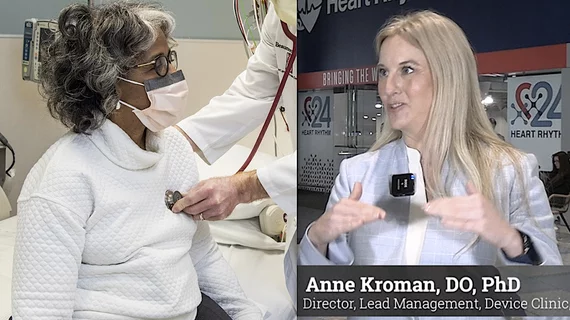
Anne Kroman, DO, PhD, director of lead management and the device clinic, and assistant professor at Medical University of South Carolina (MUSC), explains more women need to be included in clinical trials to help better understand sex differences in electrophysiology presentations.

Most EP clinical study data are from men, Anne Kroman, DO, explained in an interview. This is a significant problem, she said, because heart rhythm issues look quite different in women. 

  • Read more about Why electrophysiology trials need to include more women

Cardiology Funding Roundup: Cardurion, Kestra, TRiCares all secure key investments

Money dollar investments

Businesses in the cardiovascular health space have been busy in recent weeks, announcing one big financing round after another. 

  • Read more about Cardiology Funding Roundup: Cardurion, Kestra, TRiCares all secure key investments

Artificial blood vessels could limit risks during heart bypass procedures

Researchers have developed artificial blood vessels that could be as strong and durable as the real things, publishing their work in Advanced Materials Technologies.[1] The group hopes its work could go on to make a significant impact in care for heart bypass patients.

Image courtesy of Dr Norbert Radacsi/University of Edinburgh.

Even grafts that represent the current gold standard for bypass surgeries are associated with high failure rates, researchers noted. They think these 3D-printed blood vessels could provide considerable value. 

  • Read more about Artificial blood vessels could limit risks during heart bypass procedures

Texas surgeons first in world to perform ‘groundbreaking’ total artificial heart procedure

Surgeons in Houston have performed the world’s first successful human implant of BiVacor’s Total Artificial Heart (TAH) technology. The procedure was completed July 9, 2024, at The Texas Heart Institute at Baylor St. Luke’s Medical Center. It was part of an early feasibility study (EFS) first approved by the U.S. Food and Drug Administration (FDA) in December 2023.

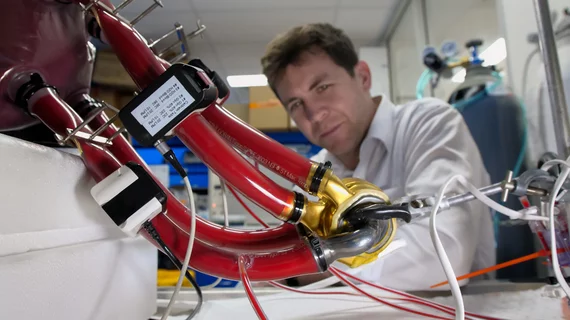
BiVacor founder Daniel Timms, PhD. Image courtesy of BiVacor. 

The BiVACOR technology was designed to serve as a bridge to heart transplant in patients with end-stage heart failure. Based on rotary blood pump technology, it is made of titanium and approximately the size of an adult’s fist.

  • Read more about Texas surgeons first in world to perform ‘groundbreaking’ total artificial heart procedure

Transcatheter mitral valve-in-valve replacement benefits intermediate-risk patients

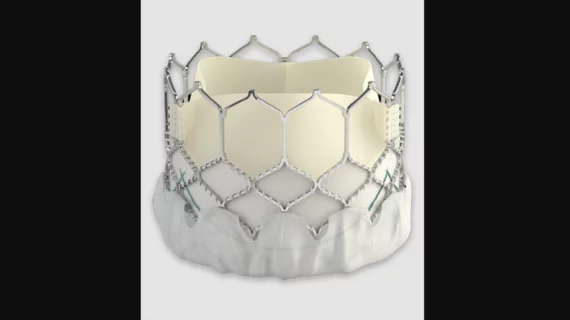
Edwards Lifesciences Sapien 3 transcatheter heart valve used for Mitral Valve-in-Valve

Image courtesy of Edwards Lifesciences.

New one-year data suggests transseptal MViV with a Sapien 3 heart valve is a "favorable and safe procedure." Researchers plan to follow patients for a total of 10 years.

  • Read more about Transcatheter mitral valve-in-valve replacement benefits intermediate-risk patients

Pagination

    • First page « First
    • Previous page ‹ Previous
    • Page …206
    • Page 207
    • Page 208
    • Page 209
    • Current page 210
    • Page 211
    • Page 212
    • Page 213
    • Page 214 …
    • Next page Next ›
    • Last page Last »
Subscribe
  • Home
  • News
  • Article Archive
  • Custom Content
  • Webinars
  • Press Releases
  • Content Studio
  • Advertising
  • Submit Press Release
  • Contact Us
  • Terms of Use
  • Privacy Policy
  • Cardiovascular Business
  • HealthExec
  • Radiology Business
 
© 2026 Innovate Healthcare | All Rights Reserved. | Terms of Use | Privacy Policy
 
Design by Adaptive Theme