
AI tech uses cardiac CT scans to evaluate inflammation, predict stroke risk
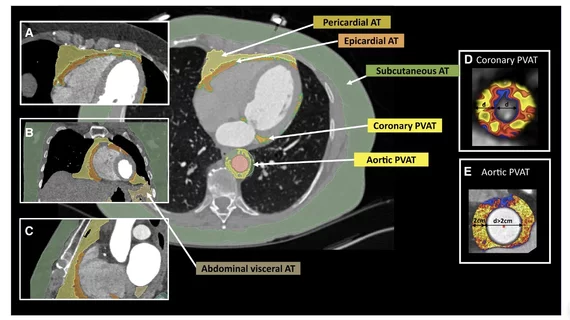
Artificial intelligence (AI) technology from Caristo Diagnostics is capable of detecting inflammation using noncontrast cardiac CT scans, according to new data presented at ESC Congress 2026. In addition, the late-breaking ORFAN-MAESTRIA study focused on the potential impact of using the company's AI algorithms to evaluate imaging results and predict stroke risk.
Back in July, the U.S. Food and Drug Administration (FDA) authorized Caristo's CaRi-Heart technology that uses fat attenuation index (FAI) scores to evaluate noncontrast cardiac CT scans for signs coronary artery inflammation. It is the only technology with regulatory approval to offer detailed imaging of inflammation. Many cardiology experts say this has been the missing link to explain why patients with low plaque burden have heart attacks and what makes some patients more prone to heart attacks that others.
According to new University of Oxford-led research, Caristo AI tech that is still being developed was able to detect signs of inflammation in contrast CT scans using FAI scores. Noncontrast CT scans are less expensive than contrast CT scans and take less time to perform.
Meanwhile, the decade-long ORFAN-MAESTRIA study included more than 81,000 patients. Researchers found that Caristo's AI technology identified signs of left atrial myopathy on routine cardiac CT that predicted future stroke risk. Patients identified as high-risk had a 17-fold higher likelihood of cardioembolic stroke than those identified as low-risk. This outperformed the current standard of care. In addition, the algorithm flagged these risks independently of a patient having AFib symptoms, so it was able to identify danger in patients who did not have any warning signs on a standard heart rhythm test.
"Today, the FAI-Score is helping us identify coronary inflammation and better predict cardiovascular risk," Professor Charalambos Antoniades, MD, PhD, British Heart Foundation Chair of Cardiovascular Medicine at the University of Oxford, and principal investigator of the ORFAN-MAESTRIA study, said in a statement. "Looking ahead, the same scientific approach could be applied to other disease pathways, including left atrial myopathy, to help predict future cardio-embolic stroke. By applying the same biological framework to different pieces of the cardiovascular puzzle, we can help clinicians detect high-risk patients sooner and intervene earlier."
AI virtual biopsy for inflammation predicts long-term cardiac mortality
In a separate investigator-led ORFAN analysis, researchers said they developed an AI signature designed to create a "virtual biopsy" to look for cytokine-driven inflammation in the artery wall across more than 80,000 patients in the U.K. and U.S. The signature predicted long-term cardiac mortality in the cohorts. It also found an elevated risk of heart failure and kidney disease among patients with the highest inflammation signal. Researchers said the technology might be useful for better patient selection for anti-inflammatory therapies.

Dave Fornell has covered healthcare for more than 17 years, with a focus in cardiology and radiology. Fornell is a 5-time winner of a Jesse H. Neal Award, the most prestigious editorial honors in the field of specialized journalism. The wins included best technical content, best use of social media and best COVID-19 coverage. Fornell was also a three-time Neal finalist for best range of work by a single author. He produces more than 100 editorial videos each year, most of them interviews with key opinion leaders in medicine. He also writes technical articles, covers key trends, conducts video hospital site visits, and is very involved with social media. E-mail: [email protected]