
Coronary calcium may predict a patient's risk of dying from noncardiac conditions
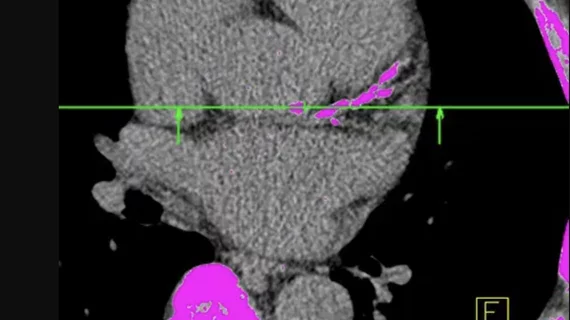
Calcium in the coronary arteries is a known cardiac risk factor, but new research suggests it may also be a mortality risk predictor for other noncardiac diseases. Conversely, patients who do not have calcium in their coronary arteries are significantly less likely to die from heart conditions as well as noncardiac medical issues.
The study, which included more than 40,000 patients, was presented by Intermountain Health researchers during the American Heart Association (AHA) Scientific Sessions 2025 conference. The results may prompt more studies to look at using calcium scores to better risk assess patients with other conditions outside of cardiology.
The study found that 7,967 patients had no evidence of coronary artery calcium (CAC), and 32,051 had some levels of CAC. Researchers then followed up with patients for five years and reviewed all-cause mortality of people with a CAC score of zero compared to those with a CAC score greater than zero. Researchers unexpectedly found that of patients with a CAC score who died, only a quarter died from cardiovascular disease, and 75% died from noncardiovascular diseases.
“We know that not having any CAC is a predictor of being in good coronary health, but we were surprised to find that it may also be a sign you’re in good general health. Someone’s CAC score could be a more powerful predictor of a person’s overall health than we previously thought,” Jeffrey L. Anderson, MD, distinguished clinical and research physician at Intermountain Health and principal investigator of the study, said in a statement.
CAC is a strong clinical predictor of a person's risk of developing coronary artery disease and their chances of having a heart attack. When atherosclerosis plaques age, they attract calcium. This can easily be seen on any chest computed tomography (CT) scans, or using low-dose CAC screening exams to help risk assess patients for coronary disease.
In cardiology, patients with a CAC score of zero is considered very low risk for heart attacks. The higher the score, the higher the risk. The team behind this study found that patients with any level of coronary artery calcium were two to three times more likely to have died from any cause.
“We don’t know the mechanism for this, but coronary plaque may be correlated with plaque in blood vessels in other parts of the body, and having atherosclerosis may also negatively impact immune surveillance, an important protective mechanism against cancer,” Anderson explained.
The next step in this research is to examine those noncardiovascular deaths to better stratify the causes.

Dave Fornell has covered healthcare for more than 17 years, with a focus in cardiology and radiology. Fornell is a 5-time winner of a Jesse H. Neal Award, the most prestigious editorial honors in the field of specialized journalism. The wins included best technical content, best use of social media and best COVID-19 coverage. Fornell was also a three-time Neal finalist for best range of work by a single author. He produces more than 100 editorial videos each year, most of them interviews with key opinion leaders in medicine. He also writes technical articles, covers key trends, conducts video hospital site visits, and is very involved with social media. E-mail: [email protected]