
Air purifiers may reduce cardiovascular risks from pollution and wildfires
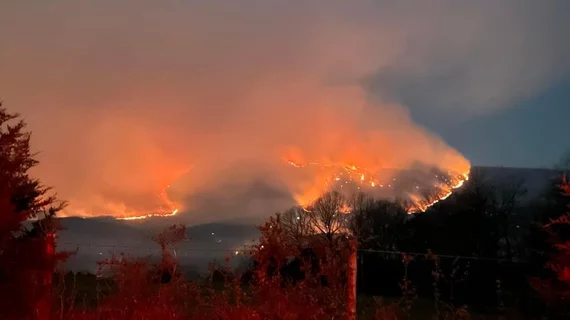
Smoke from the Canadian wildfires has been drifting across large sections of the U.S., resulting in poor air quality alerts. This has added to cardiology and health concerns, as several recent studies over the past year have highlighted the link between air pollution and heart disease.
The most recent analysis is a new study published in the Journal of the American College or Cardiology (JACC) that found use of in-home high-efficiency particulate air (HEPA) filters significantly lowered systolic blood pressure (SBP) in adults with elevated readings.[1] This and other studies show that reducing pollution levels, possibly through indoor air filters, might significantly improve not only blood pressure, but heart failure symptoms as well.
The study found HEPA-filtered air in homes have an impact even in areas with relatively low overall air pollution levels. This raises the possibility that even modest improvements in indoor air quality could have a meaningful impact on blood pressure for people at risk, which will likely prompt new avenues of environmental research on the impacts in cardiovascular health.
“High blood pressure remains one of the most important modifiable risk factors for cardiovascular disease,” Douglas Brugge, PhD, MS, professor and chair of the department of public health sciences at UConn Health and lead author of the study, said in a statement. “This research adds to growing evidence that simple interventions, like in-home air filtration, may help improve heart health for people at risk.”
He said particulate matter (PM) is a major contributor to air pollution and is strongly associated with cardiovascular disease (CVD). People living near high-traffic roadways are frequently exposed to elevated levels of PM from vehicle emissions as well as tire and brake wear. These fine particles can infiltrate homes and affect residents, increasing the risk of hypertension and elevated blood pressure—both major CVD risk factors.
In this randomized crossover trial of 154 adults living near highways, participants were randomly assigned to receive one month of either HEPA or sham filtration (the same air purifiers with the filter removed) in their homes, followed by a one-month “washout” period with no filtration and then the alternate treatment. Blood pressure measurements and participant questionnaires were collected at the start and end of each period.
Researchers found that participants who entered the study with elevated SBP (>120 mmHg) experienced an average 2.8 mmHg reduction in SBP after one month of HEPA filtration. In comparison, SBP increased slightly (0.2 mmHg) during a sham filtration period, resulting in a significant 3 mmHg difference in favor of HEPA filtration. Researchers said there was not a significant impact on diastolic blood pressure or among participants with normal SBP (<120 mmHg).
"Overwhelming evidence shows the harmful health effects of PM2.5 exposure, even at levels below current U.S. standards,” said Jonathan Newman, MD, MPH, associate professor of medicine with the department of medicine at NYU Grossman School of Medicine and director of clinical research at the Center for the Prevention of Cardiovascular Disease, said in a statement. He was lead author of the accompanying editorial comment. “As healthcare professionals, we must educate the public and support policies that protect clean air and improve the health of all Americans."
Exposure to wildfire smoke incrementally increases heart failure risk
Another recent JACC study found that long-term exposure to wildfire smoke may increase the risk of heart failure (HF), especially in older adults, women and vulnerable populations.[2] Compared to other types of air pollution, researchers found that as the level of air pollution from wildfire smoke increased over a two-year period, the risk of developing heart failure also increased.
“Over time, the average smoke pollution someone breathes in can increase very slightly — but that slight increase matters a lot for heart health, especially for vulnerable populations,” explained Hua Hao, PhD, a research scientist at the Rollins School of Public Health at Emory University and lead author of the study in a statement. “Even a small individual risk translates into a large public health impact.”
Researchers looked at PM2.5, a type of air pollution that consists of very small, inhalable particles that are 2.5 micrometers or less in diameter. It can come from different sources, including vehicle emissions, industrial activities, burning fossil fuels, construction and wildfires. Resrachers said PM2.5 in the smoke can penetrate deep into the lungs, and even enter the bloodstream, posing serious health risks. This study looked at overall wildfire smoke PM2.5 levels across the United States and how frequently people were exposed to it and the number of days of exposure.
A study cohort of all Medicare beneficiaries enrolled in the fee-for-service program between 2007-2018, researchers found each time the level of PM2.5 in wildfire smoke increased by just 1 microgram per cubic meter over a two-year period, their risk of heart failure went up by 1.4%. They estimate smoke exposure could be linked to more than 20,000 additional heart failure cases each year in the U.S.
“We also found that the association between smoke PM2.5 and HF was stronger in women, Medicaid eligible individuals and those living in lower income areas, indicating higher susceptibility,” Hao added.
The American Heart Association (AHA) also issued a public health warning in May concerning the increased risk of heart disease from inhaling smoke from Canadian wildfires.
“While breathing problems and respiratory health dangers are often considered the biggest health impact from wildfire smoke, it’s important to recognize the impact on cardiovascular health, as well,” explained Keith Churchwell, MD, AHA volunteer president, an associate clinical professor of medicine at Yale School of Medicine in New Haven, Connecticut, and adjunct associate professor of medicine at the Vanderbilt School of Medicine in Nashville, said in a statement at the time. “Wildfire smoke contains a lot of pollutants including fine, microscopic particles linked to cardiovascular risk. As these fires continue to burn that contaminated smoke is traveling many miles beyond the immediately affected area.”
He said several research studies have linked smoke exposure to an increased risk of sudden cardiac arrest and a higher volume of visits to local emergency rooms for other cardiovascular disease-related causes.
In research presented at the AHA 2023 Scientific Sessions,[3] researchers determined that smoke from summertime wildfires was significantly associated with same-day hospitalization for unstable chest pain in Utah. Another study published in the Journal of the American Heart Association in 2020 found that exposure to heavy smoke during wildfires raised the risk of out-of-hospital cardiac arrest up to 70%. The risk was further elevated among adults 35-64 years old, and again in communities with lower socioeconomic status.[4]
The AHA had previously issued a scientific statement in 2010 on particulate matter air pollution and cardiovascular disease.[5]

Dave Fornell has covered healthcare for more than 17 years, with a focus in cardiology and radiology. Fornell is a 5-time winner of a Jesse H. Neal Award, the most prestigious editorial honors in the field of specialized journalism. The wins included best technical content, best use of social media and best COVID-19 coverage. Fornell was also a three-time Neal finalist for best range of work by a single author. He produces more than 100 editorial videos each year, most of them interviews with key opinion leaders in medicine. He also writes technical articles, covers key trends, conducts video hospital site visits, and is very involved with social media. E-mail: [email protected]