
Semaglutide, other obesity drugs show potential to treat nondiabetic stroke
GLP-1 receptor agonists such as semaglutide may be able to help reduce the risk of ischemic stroke in patients without diabetes, according to a new meta-analysis of preclinical studies published in Stroke.[1]
These drugs have been linked to several key improvements in the cardiovascular health of patients with type 2 diabetes. They are regularly used for weight management, for example, and they can also improve outcomes for heart failure patients. However, it is less clear how GLP-1 receptor agonists may impact patients who are not diabetic.
The team behind this meta-analysis hoped to learn more about how these drugs may influence the risk of acute ischemic stroke (AIS) in patients who do not have diabetes. They ultimately landed on 31 preclinical trials from 2011 to 2024. All studies were conducted on rodents.
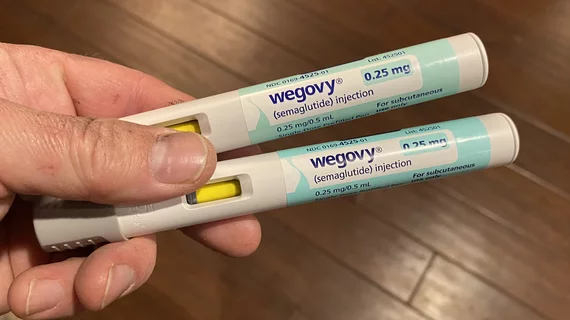
The GLP-1 receptor agonists used in these studies included semaglutide— sold by Novo Nordisk under the brand names Wegovy and Ozempic—as well exenatide, liraglutide, lixisenatide and dulaglutide. While some were administered by mouth, others were given to the rodent subjects subcutaneously.
Overall, these drugs were associated with a significant infarct volume reduction when compared to a placebo. They also appeared to improve neurological function.
“Although the exact mechanisms by which GLP-1 receptor agonists mitigate ischemic injury are not fully understood, the pleiotropic mechanisms seem to extend beyond glycemic regulation, with beneficial effects observed in nondiabetic animal models,” wrote first author Michael K. Michaelsen, MD, with the department of clinical medicine at Aarhus University in Denmark, and colleagues. “The findings of this review indicate that GLP-1 receptor agonists exert promising direct neuroprotective properties by targeting multiple components of the ischemic cascades triggered after stroke that contribute to infarct consolidation and poor functional outcome.”
The group added that they also identified reductions in oxidative stress, cell death markers and inflammatory mediators in multiple studies, “but these observations are largely associated and do not establish causality.”
Of course, none of these trials included human subjects. It still far too early to know whether or not GLP-1 receptor agonists could improve stroke outcomes in nondiabetic patients. For now, however, Michaelsen et al. said these drugs do show potential to make a positive impact if given to patients early on.
“If future trials confirm a negligible impact on platelets and coagulation in the acute phase, this could pave the way for prehospital use, enabling treatment and neuroprotection to begin even before neuroimaging distinguishes between ischemic and hemorrhagic stroke,” they concluded.
Read the full analysis here.

Michael has more than 19 years of experience as a professional writer and editor. He has written at length about cardiology, radiology, artificial intelligence and other key healthcare topics.