
Renal denervation gains new Category I CPT codes
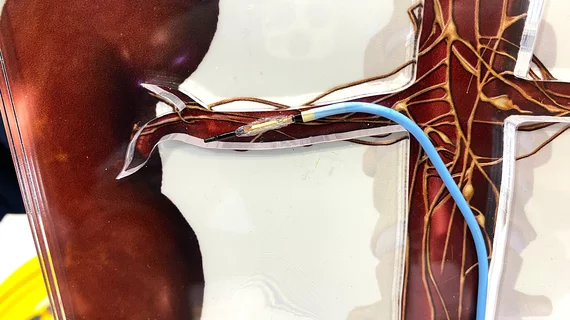
Two new Category I Current Procedural Terminology (CPT) codes describing renal denervation (RDN) have been created by the American Medical Association (AMA) CPT Editorial Panel. The codes will enable wider reimbursement for the procedure to treat uncontrolled high blood pressure.
The new codes, 37X47 and 37X48, describe percutaneous transcatheter renal sympathetic denervation procedures and are expected to become effective Jan. 1, 2028. The final code numbers and descriptors will be published by the AMA prior to being implemented.
The CPT Editorial Panel's decision represents an important step in establishing a standardized coding pathway for physicians performing ultrasound renal denervation in patients with treatment-resistant hypertension. Compared to Category III CPT codes, intended to be temporary tracking codes, Category I CPT codes provide a standardized mechanism for reporting medical procedures and services, and the establishment of dedicated CPT codes represents an important step in the broader reimbursement pathway.[1]
“Standardized Category I CPT coding will support the integration of renal denervation into clinical practice by enabling consistent procedural reporting and creating a pathway for physician payment,” explained Tai Kobayashi, MD, LCDR, USNR, associate professor of clinical medicine (cardiology), Penn Medicine, and director, cath lab, Corporal Michael J. Crescenz Veterans Affairs Medical Center, in a statement.
The first RDN devices were approved by the U.S. Food and Drug Administration (FDA) in November 2023, first with the Recor Medical Paradise ultrasound ablation system, followed by the Medtronic Symplicity Spyral radiofrequency ablation system. However, these devices never had a Category I CPT code assigned for use in billing to get reimbursed. This has hampered wider adoption of the technology.
“Too many people continue to live with uncontrolled hypertension despite the therapies available today, leaving them at increased risk for serious cardiovascular consequences,” said Helen Reeve-Stoffer, chief executive officer of Recor Medical in a statement. “Ultrasound renal denervation gives physicians another way to address this persistent challenge, and this coding milestone represents meaningful progress toward making the therapy a more established part of hypertension care.”
The 2025 ACC/AHA hypertension treatment guidelines acknowledge the growing importance of RDN, giving it a class IIb recommendation for patients who have already been evaluated by a multidisciplinary team and continue to have uncontrolled hypertension.
In October 2025, the U.S. Centers for Medicare and Medicaid Services (CMS) finalized its decision to provide Medicare coverage on a national level for the use of renal denervation in patients with uncontrolled hypertension. CMS recognized the benefits of RDN in select patients who failed other therapies. Often private insurance companies will follow the lead by CMS on coverage of new technologies and the new CPT codes are a step in that direction.
Renal denervation treats uncontrolled hypertension by ablating overactive renal artery nerves to eliminate vasodilation and permanently propping the arteries fully open to help lower a person’s blood pressure.

Dave Fornell has covered healthcare for more than 17 years, with a focus in cardiology and radiology. Fornell is a 5-time winner of a Jesse H. Neal Award, the most prestigious editorial honors in the field of specialized journalism. The wins included best technical content, best use of social media and best COVID-19 coverage. Fornell was also a three-time Neal finalist for best range of work by a single author. He produces more than 100 editorial videos each year, most of them interviews with key opinion leaders in medicine. He also writes technical articles, covers key trends, conducts video hospital site visits, and is very involved with social media. E-mail: [email protected]