
American College of Cardiology shares new expert recommendations on treating tricuspid regurgitation
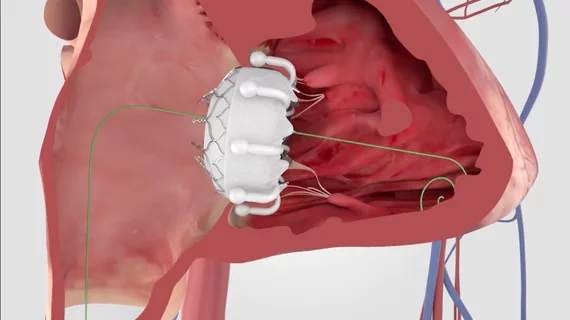
The American College of Cardiology (ACC) has shared a new document designed to help guide cardiologists through the evaluation and management of patients presenting with severe tricuspid regurgitation (TR). The expert consensus decision pathway (ECDP), published in the Journal of the American College of Cardiology, explores the potential benefits of different treatments for TR and examines how to care of these patients once they have undergone treatment and are on the path to recovery.[1]
“This ECDP is intended to enable the clinician to assimilate the most important developments in this dynamically evolving field to improve the care of patients with severe TR, with emphasis on those with secondary TR, and is focused on the most common clinical areas encountered in practice from evaluation to treatment,” wrote writing committee chair Patrick T. O'Gara, MD, a professor with Harvard Medical School and cardiology chair at Brigham and Women’s Hospital, and colleagues.
The document also covers the many medical imaging modalities used to help evaluate these patients, including transthoracic echocardiography, cardiac CT and cardiac MR. Other key topics included screening, shared decision-making, pacemaker management and the potential risks of treatments.
“The availability of transcatheter interventions to treat severe TR has energized the cardiovascular community to improve evaluation and management strategies targeted at this valve lesion,” the authors wrote. “The tricuspid space continues to rapidly evolve. Updated recommendations for the management of TR are anticipated in the next iteration of the ACC/American Heart Association valvular heart disease guidelines.”
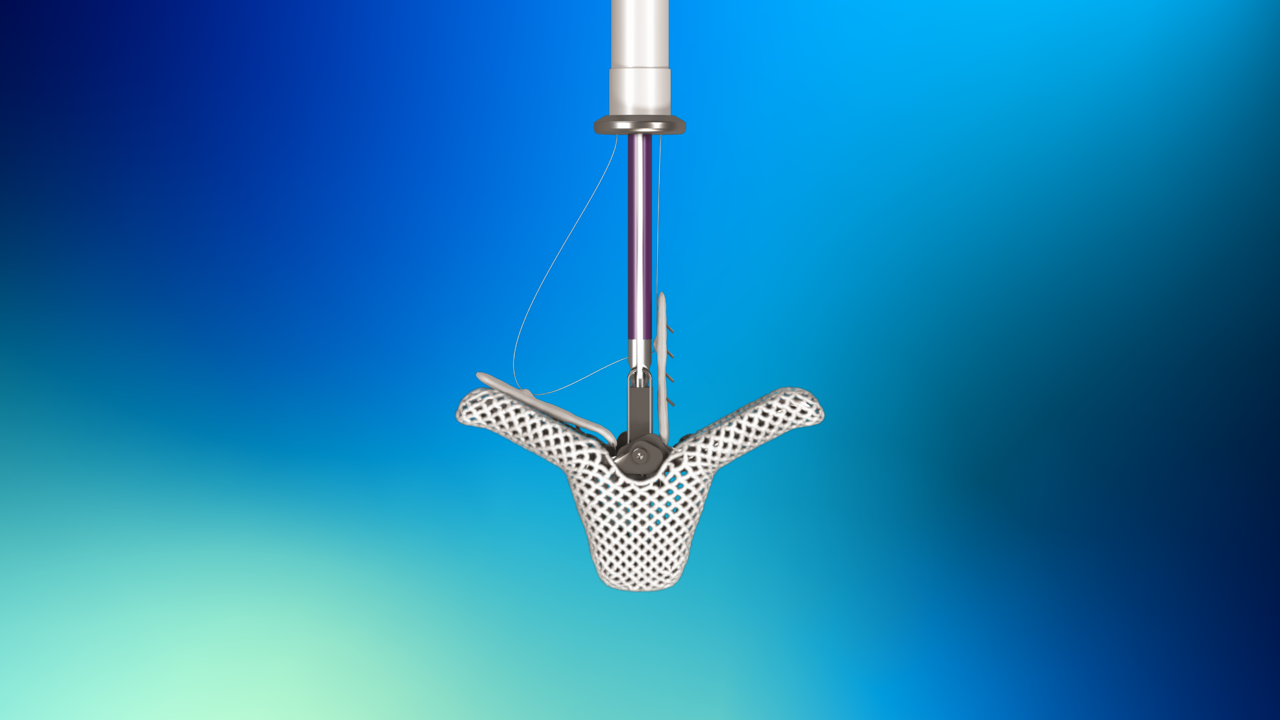
The TriClip T-TEER device. Image courtesy of Abbott.
Tricuspid valve care continues to grow
The development and implementation of new treatments for TR is one of the biggest stories in structural heart disease of the last few years. The tricuspid valve was once seen as being somewhat forgotten compared to the aortic and mitral valves, but that has changed dramatically with the U.S. Food and Drug Administration’s approval of both the Evoque transcatheter tricuspid valve replacement (TTVR) system from Edwards Lifesciences and the TriClip tricuspid transcatheter edge-to-edge repair (T-TEER) system from Abbott. The U.S. Centers for Medicare and Medicaid Services even finalized national coverage determinations for both devices, ensuring more patients approved to undergo TTVR or T-TEER can receive the care they need.
Of course, the Evoque and TriClip devices are only the beginning when it comes to treating patients with severe TR.
“There are more devices in clinical trials for the tricuspid valve at this time than we could possibly discuss,” Andrew Rassi, MD, a cardiologist with Kaiser Permanente’s San Francisco Medical Center, told Cardiovascular Business in a 2024 interview. “Some are farther along than others and only a few have had successful implants in humans to date. The number of devices being studied speaks to the unmet clinical need that will only be partially answered with the two FDA-approved devices.”

Michael has more than 19 years of experience as a professional writer and editor. He has written at length about cardiology, radiology, artificial intelligence and other key healthcare topics.