
Resorbable scaffold for PCI gains FDA’s breakthrough device designation
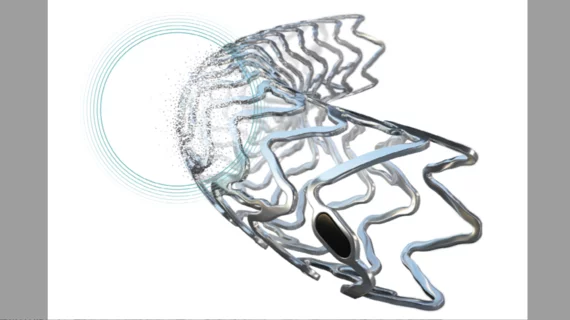
Teleflex Incorporated, a Pennsylvania-based medtech company, has received the FDA’s breakthrough device designation for its Freesolve Resorbable Magnesium Scaffold (RMS) to be used during percutaneous coronary intervention (PCI) procedures.
The Freesolve RMS was built to provide scaffolding when necessary during cardiovascular interventions, while still reducing the need for permanent implants. One year after treatment, approximately 99% of the magnesium in the device is completely resorbed.
The device previously secured the FDA’s breakthrough device designation for below-the-knee (BTK) procedures treating in 2024, when it was still officially being sold by Biotronik. In February 2025, however, Teleflex agreed to acquire Biotronik’s vascular intervention business for $791 million.
“At Teleflex, we are advancing vascular intervention through strategic investment and continuous innovation,” Jason Fontana, president and general manager of interventional at Teleflex, said in a statement. “This designation marks an important milestone in our efforts to bring Freesolve RMS to patients in the United States. Building on the FDA’s previous Breakthrough Device Designation for Freesolve RMS in BTK applications, it further underscores the potential of bioresorbable magnesium scaffold technology and our commitment to a leave-nothing-behind approach. Freesolve RMS has the potential to redefine clinical practice in today’s cath labs.”
The FDA's breakthrough devices program supports the development of medical devices that have the potential to provide more effective treatments for patients with life-threatening or irreversibly debilitating conditions. Securing this distinction will help Teleflex interact with FDA experts and receive additional support as the company works toward a full approval.
The Freesolve RMS has not yet received FDA approval for BTK or PCI procedures. The technology has secured CE mark approval, however, and is commercially available in many other parts of the world.
Teleflex hopes this latest update from the FDA and the ongoing BIOMAG-III trial will help pave the way for U.S. regulatory approvals in the future.

Michael has more than 19 years of experience as a professional writer and editor. He has written at length about cardiology, radiology, artificial intelligence and other key healthcare topics.