
ACC highlights importance of cognitive impairment, frailty when treating older heart patients
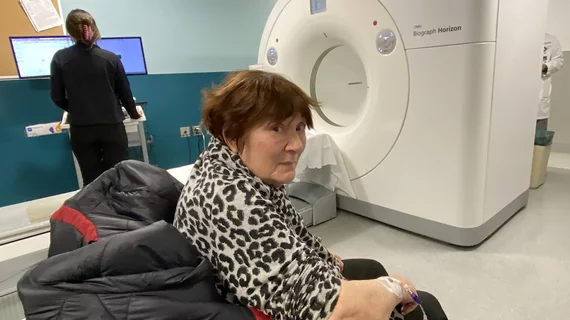
The American College of Cardiology (ACC) has released a new scientific statement calling for cardiologists to consider how the cognitive impairment, frailty and other conditions of older heart patients may affect different treatment decisions. Approximately one-third of patients seen by cardiologists have some degree of cognitive impairment, the ACC noted, while frailty affects approximately two-thirds of older adults undergoing percutaneous coronary intervention (PCI). The full statement was published in JACC.[1]
The ACC document looks at the interconnected relationships between cardiovascular disease, cognitive impairment and frailty, addressing how each one can impact recovery, independence and quality of life. It outlines practical, consensus-based strategies for prevention, screening, assessment and management.
“This statement reframes cardiovascular care for older adults beyond a traditional disease-centered model to a more aging-informed, function-centered approach,” Karen P. Alexander, MD, chair of the scientific statement’s writing committee and professor of medicine at Duke University School of Medicine, said in a statement. “For many older adults, the most important outcomes are not prevention of cardiovascular events, but maintaining cognitive health, physical function and independence.”
The statement emphasizes that cardiovascular disease, cognitive impairment and frailty share many risk factors and underlying biological mechanisms, including vascular dysfunction, chronic inflammation and age-related declines in physiological reserve.
The authors also outlined gaps in evidence and the need for greater inclusion of older adults in cardiovascular research, emphasizing the need for studies to include measures for outcomes that are meaningful to patients. These should include mobility, cognitive function and caregiver burden.
There are five key recommendations outlined in the document:
• Consider cardiovascular disease in the context of biological aging, rather than chronological age alone.
• Address modifiable risk factors, social and environmental health drivers.
• Implement screening for cognitive impairment and frailty in outpatient settings and following hospitalization.
• Try to speed diagnostic evaluation and timely referral when impairment is suspected.
• Promote resilience through multicomponent interventions, including cardiac rehabilitation, multi-domain exercise, nutritional optimization, and thoughtful medication management to reduce polypharmacy-related harms.
Biological aging-driven inflammation is a concern in older, frail patients. This includes endothelial dysfunction, vascular stiffness and sarcopenia. Cardiovascular disease also often occurs along with cognitive impairment, frailty, resulting in poor outcomes, but the authors said they risk factors are often under-recognized in research and clinical care.
These patients also frequently have social factors such as smoking impacting their health. This can increase the risks for cardiac disease, frailty and cognitive impairment. Many of these social drivers of health cannot be fully addressed within clinical settings alone, underscoring the need for broader health system initiatives and community-level interventions to support healthy aging.
Interventions to optimize physical function, including gait, muscle strength, balance and endurance, provide long-term benefit in increasing resilience and decreasing the risk of disability, the authors wrote. This includes cardiac rehabilitation, which is one of the areas with the strongest clinical evidence to provide multicomponent structured interventions with exercise training (strength, balance, aerobic), diet, care alignment, and addressing broader health needs. While older adults may face logistical barriers such as transportation or cognitive impairment, cardiac rehabilitation programs are often able to provide adaptive models such as home-based programs.

Dave Fornell has covered healthcare for more than 17 years, with a focus in cardiology and radiology. Fornell is a 5-time winner of a Jesse H. Neal Award, the most prestigious editorial honors in the field of specialized journalism. The wins included best technical content, best use of social media and best COVID-19 coverage. Fornell was also a three-time Neal finalist for best range of work by a single author. He produces more than 100 editorial videos each year, most of them interviews with key opinion leaders in medicine. He also writes technical articles, covers key trends, conducts video hospital site visits, and is very involved with social media. E-mail: [email protected]