Patients with coronary artery disease and severe aortic stenosis often undergo PCI before TAVR. According to new data presented at ACC.26, however, deferring PCI is associated with comparable outcomes as well as a reduced bleeding risk.
A new embolic protection device from Emboline was noninferior to the FDA-approved Sentinel device in terms of safety and efficacy. In addition, it captured much more TAVR-generated debris and was linked to an improved technical success rate.
The advanced algorithm, which previously received the FDA's breakthrough device designation, detects signs of pulmonary hypertension in standard 12-lead electrocardiograms.
New 30-day data presented at ACC.26 helped answer questions cardiologists have had been asking for years. “Thank you for bringing PE into the future," one vascular specialist said from the stage.
Several U.S. medical societies have collaborated on a new report advocating for better safety standards in cardiac catheterization labs. As one cardiologist described it, clinicians have shifted from "accepting risk" to "expecting better."
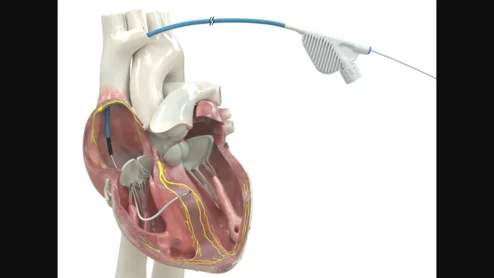
The OmniaSecure defibrillation lead from Medtronic is already approved for placement in the right ventricle. This latest approval covers the left bundle branch area, opening the door for conduction system pacing and other advanced techniques.