
ASE shares new recommendations for evaluating LV diastolic function, HFpEF
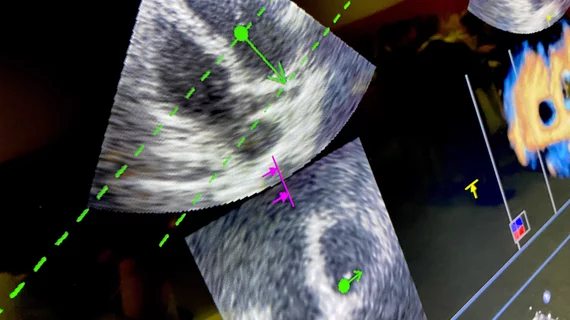
An updated guideline from the American Society of Echocardiography (ASE) offers new echocardiographic parameters and recommendations for clinicians evaluating patients for signs of heart failure. The document, "Recommendations for the Evaluation of Left Ventricular Diastolic Function by Echocardiography and for Heart Failure With Preserved Ejection Fraction Diagnosis: An Update From the American Society of Echocardiography," was published in the July 2025 issue of the Journal of the American Society of Echocardiography.[1]
According to the ASE, echocardiographic assessments of left ventricular (LV) diastolic function are an "integral part" of the routine evaluation of patients presenting with symptoms of shortness of breath or clinical concerns for heart failure. The updated guideline offers revised recommendations to support more accurate and comprehensive evaluations of diastolic function. It details methods and measurements intended to help clinicians better understand heart function and assess diastolic function in patients with complex heart conditions.
These updated guidelines officially replace the 2016 ASE and European Association of Cardiovascular Imaging guidelines on evaluating LV diastolic function.
“Many patients present for clinical care because of symptoms of shortness of breath, and heart failure is an important consideration. Its correct diagnosis is essential for timely and appropriate treatment, and echocardiography plays a major role in the diagnosis,” explained Sherif F. Nagueh, MD, writing group chair and medical director of the echocardiography laboratory at Houston Methodist DeBakey in Texas, said in a statement. He also chaired the writing group of the 2016 document.
The writing group focused on the latest research about thes topics, focusing on additional echocardiographic variables like left atrial (LA) strain and their associations with LV filling pressures. Prognostic data from epidemiological studies have also shown the association of echocardiographic measures with the subsequent development of heart failure.
The document includes one section for the general population, another for populations that require deviation from the general approach, and a final section focused on the diagnosis of HFpEF. It also contains a summary and recommendations for artificial intelligence (AI) applications in this field, and new algorithms for estimating left atrial pressure and grading LV diastolic dysfunction are provided. The guidelines also include additional algorithms for specific cardiovascular diseases such as atrial fibrillation, pulmonary hypertension and heart transplant recipients.
“The updated guidelines will help physicians caring for patients with heart failure reach a timely diagnosis and decrease the need for cardiac catheterization to determine pressures in the left heart,” Nagueh said.
The complete guideline document can be found at ASEcho.org/Guidelines.

Dave Fornell has covered healthcare for more than 17 years, with a focus in cardiology and radiology. Fornell is a 5-time winner of a Jesse H. Neal Award, the most prestigious editorial honors in the field of specialized journalism. The wins included best technical content, best use of social media and best COVID-19 coverage. Fornell was also a three-time Neal finalist for best range of work by a single author. He produces more than 100 editorial videos each year, most of them interviews with key opinion leaders in medicine. He also writes technical articles, covers key trends, conducts video hospital site visits, and is very involved with social media. E-mail: [email protected]